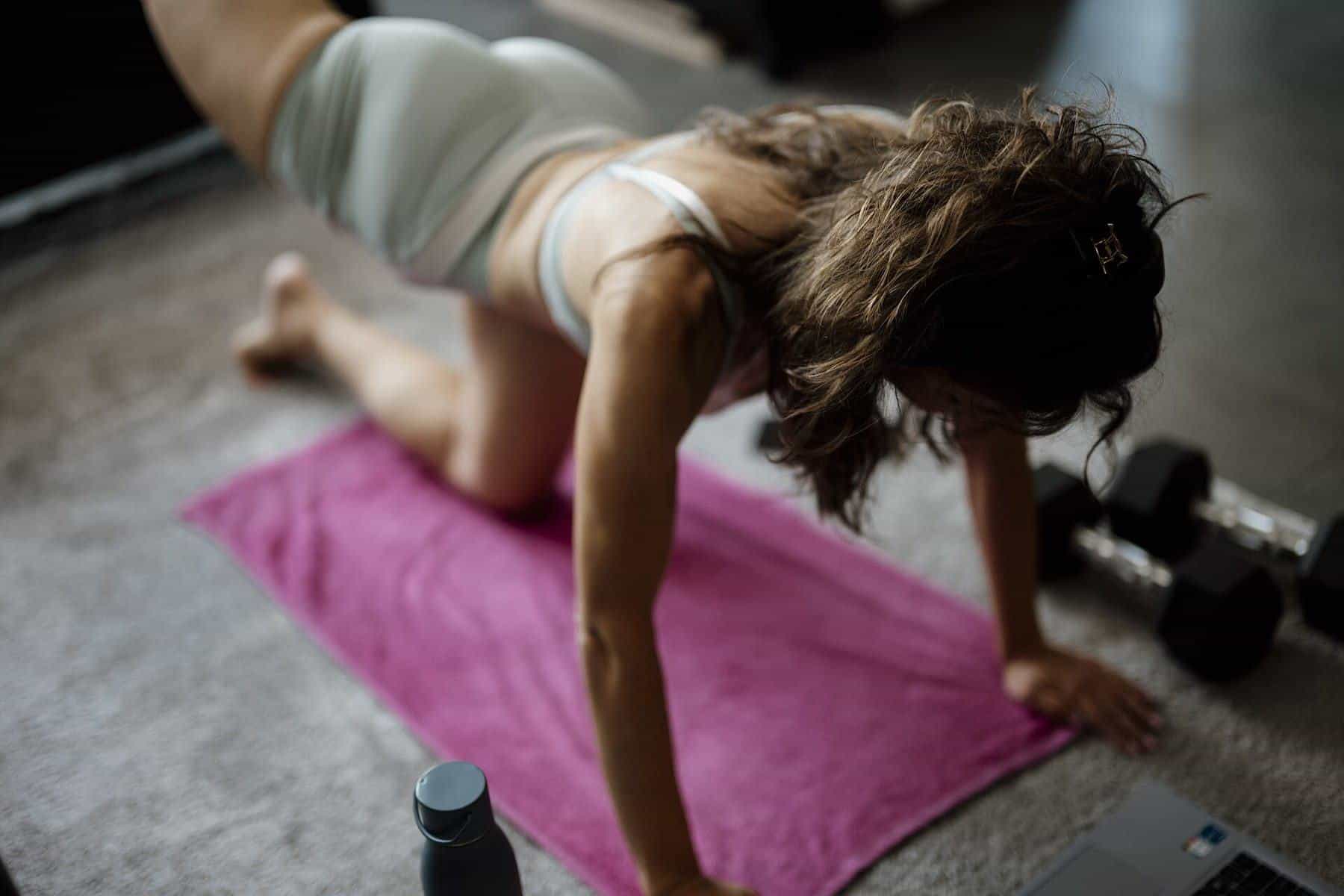
Home workouts remove almost every excuse. There is no travel time, no membership fee, no one watching, and you can do them in your pyjamas if you want. The trick is to keep them simple, short and regular. This section gives you ready-made circuits and the know-how to build your own.
Workout builder
Build a quick home circuit
How much time have you got?
What equipment do you have?
How hard do you want it?
Your circuit
Warm up 2 minutes (march, arm circles, gentle squats), then do each move for 30 seconds on, 30 seconds rest. Repeat the circuit 1 time, then cool down 2 minutes with easy stretches.
- Squats (or sit-to-stand from a chair)
- Wall or incline push-ups
- Glute bridges
- Reverse lunges, holding a chair if needed
- Bird dog
General guidance only, not personal training or medical advice. Choose easier versions whenever you need to, stop if you feel pain, dizziness or chest discomfort, and check with your doctor before starting if you have a health condition, injury or are pregnant.
How home circuits work
Most of our workouts use a circuit: a handful of exercises done one after another, each for a set time (say 30 or 40 seconds), with a short rest between, then repeated. Circuits are efficient because they work the whole body and keep your heart rate up, and they are easy to adjust: work longer or rest less to make them harder; do the opposite to make them easier.
A balanced circuit includes:
- A squat or sit-to-stand for legs and glutes.
- A push such as wall, incline or knee push-ups.
- A pull or hinge such as band rows, dumbbell rows or glute bridges.
- A lunge or step for single-leg strength and balance.
- A core move such as a plank, bird dog or dead bug.
- Something to raise your heart rate such as marching, jogging on the spot or step-ups.
The guides
10-minute workouts: three quick circuits for days when time is tight.
No-equipment workout: a full-body bodyweight routine with easier and harder versions of every move.
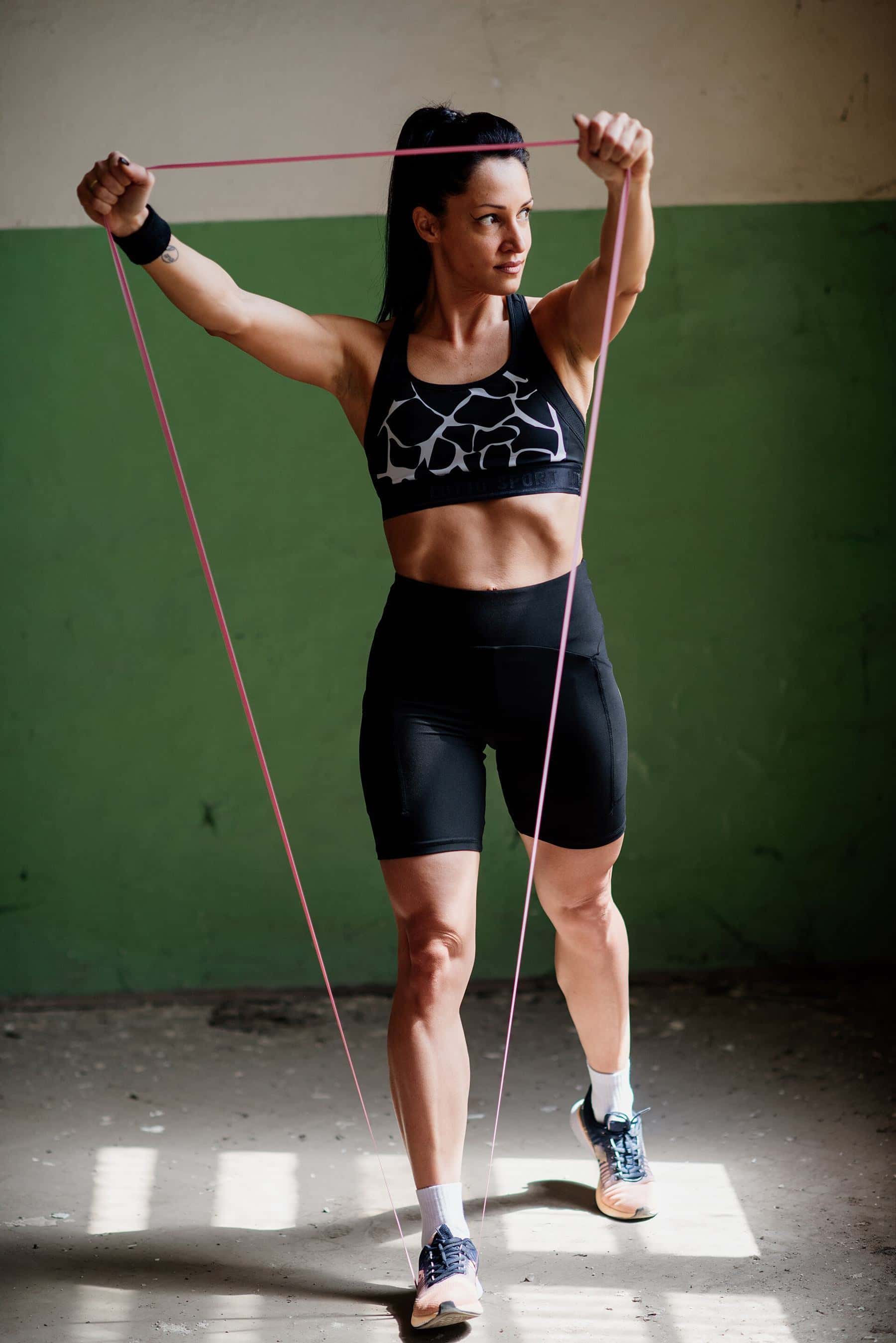
Resistance band workouts: how to choose and use bands, and a full-body band circuit.
Dumbbell workouts at home: choosing weights, the key moves and a simple program.
Setting up your space
You need a clear patch of floor about the size of a yoga mat with room to step and reach, a mat or towel, and a chair or wall for support. Wear supportive shoes for jumping or stepping moves, or go barefoot for floor work on a mat. Keep water nearby and open a window.
How hard should it feel?
Moderate intensity means you are breathing harder but can still talk. Vigorous means you can only say a few words. For strength moves, the last couple of repetitions should feel challenging but doable with good form. If your form falls apart, stop the set, rest and pick an easier version.
Progressing over time
Once a workout feels comfortable, make it harder in small steps:
- Add a few repetitions or seconds per exercise.
- Reduce the rest.
- Add a round.
- Choose a harder version of the move.
- Add resistance: a band or heavier dumbbells.
Change one thing at a time and give your body a couple of weeks to adapt.
Safety first
- Warm up for 2 to 5 minutes and cool down afterwards.
- Choose easier versions whenever you need them. There is no prize for suffering.
- Stop if you feel sharp pain, chest pain, dizziness or unusual breathlessness, and seek medical advice.
- If you have a health condition, injury or are pregnant, check with your doctor about which exercises suit you.
- Keep the floor clear of trip hazards, pets and toys.
Home workout checklist
0 of 7 done
Ticks are saved in this browser only.
Mixing it with cardio
Home strength circuits cover the muscle-strengthening part of the guidelines. For the aerobic part, add brisk walking, cycling, swimming, dancing or anything that gets you a bit puffed. See walking for fitness.
Make it a habit
Pick two or three regular times each week, put them in your calendar and treat them like any other appointment. Keep your mat visible. Pair your workout with something you enjoy, such as a favourite playlist. Read more in staying motivated.
Guides in this section
Home workouts
10-minute workouts
Three 10-minute home workouts for busy days: a full-body bodyweight circuit, a lower-body burner and a core and posture circuit, with easier and harder options.
Read · 4 min
Home workouts
The no-equipment workout
A full-body bodyweight workout you can do anywhere, with easier and harder versions of eight moves, a 20-minute plan and tips on form and progression.
Read · 3 min
Home workouts
Resistance band workouts
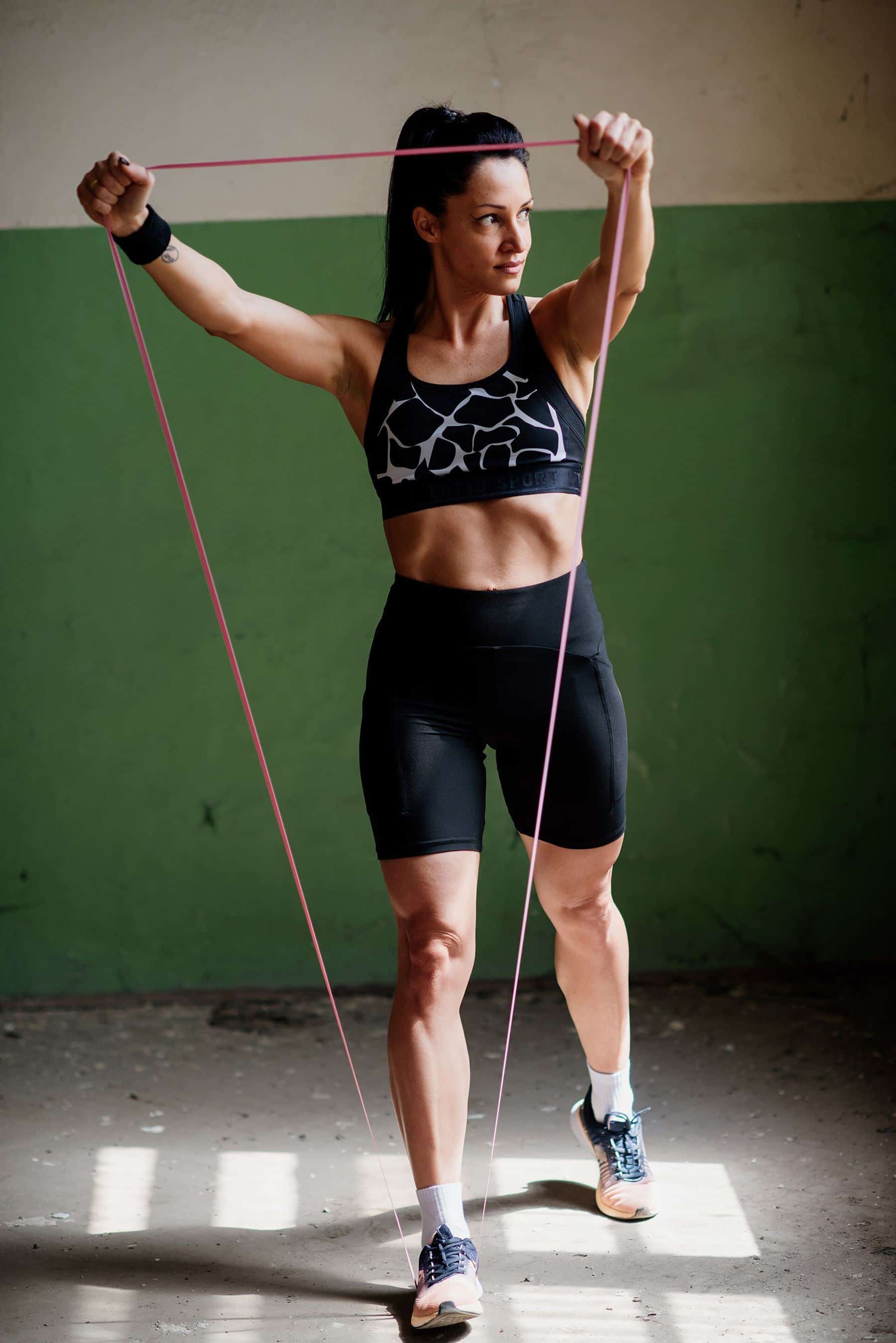
How to choose resistance bands (loops, tubes, mini bands), anchor them safely, and a full-body band circuit with progressions for home or travel.
Read · 4 min
Home workouts
Dumbbell workouts at home
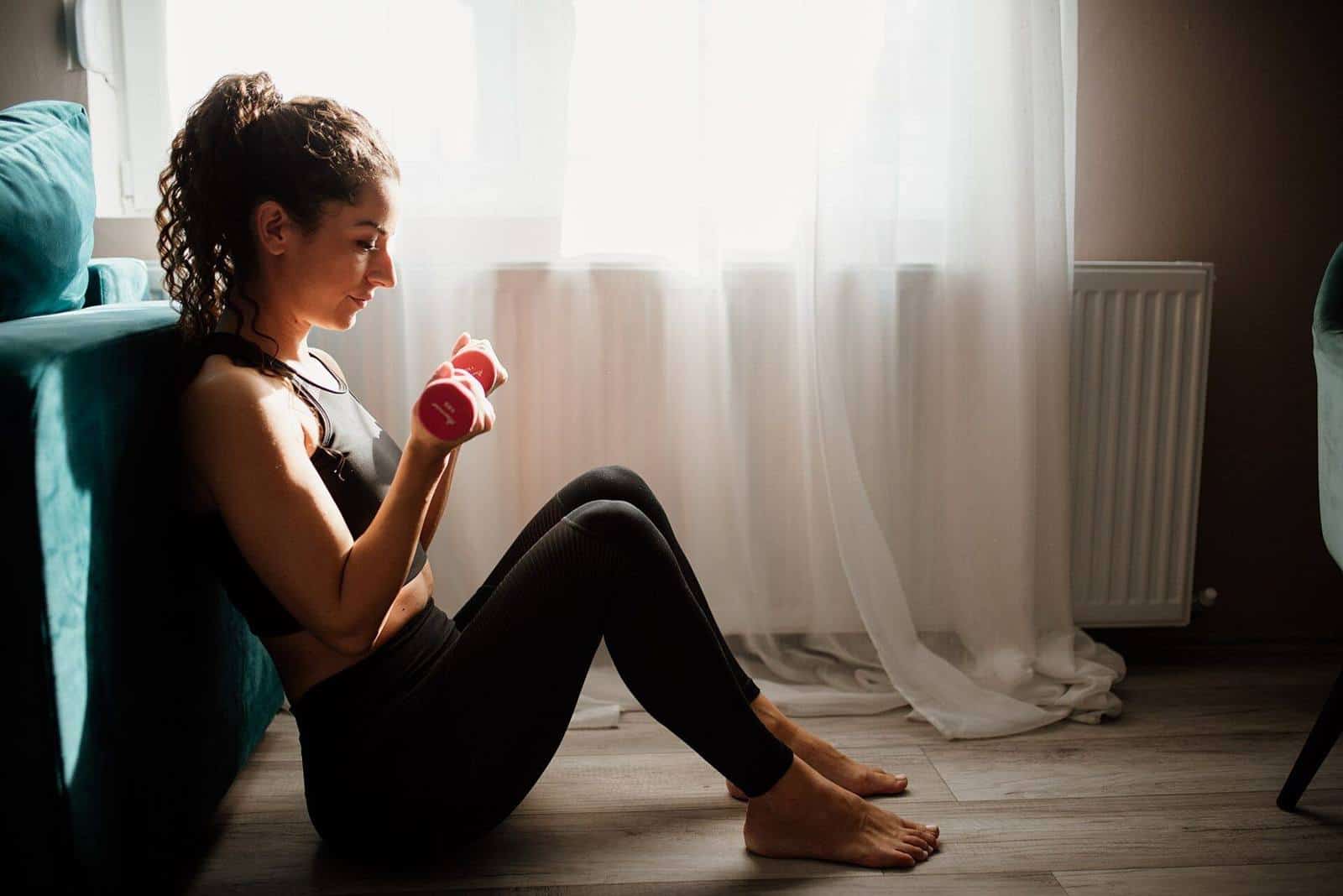
How to choose dumbbells for home, the eight key moves for a full-body workout, a simple twice-weekly program and tips on form, progression and safety.
Read · 3 min
Frequently asked questions
Can you get fit with home workouts alone?
Yes. Bodyweight and light equipment workouts can build strength, and adding walking or other aerobic activity covers the rest of Australia's guidelines.
How long should a home workout be?
Anywhere from 10 to 30 minutes works. Consistency matters more than length.
How many times a week should I do strength workouts?
Australia's guidelines recommend muscle-strengthening activities on at least two days a week for adults.
What is a circuit?
A circuit is a set of exercises done one after another with short rests, then repeated. It is an efficient way to work the whole body in a short time.
Do I need to warm up for a short workout?
Yes, a couple of minutes of marching, arm circles and gentle squats prepares your body and helps you move well.
Will home workouts bulk me up?
Building large muscles takes years of targeted heavy training and eating to match. Home workouts will make you stronger and more capable, not bulky.
Sources and further reading
Facts on this page were checked against these primary and official sources. Conditions change — confirm before you travel or buy.
- Physical activity and exercise guidelines for all Australians — Australian Government Department of Health
- Physical activity — World Health Organization
- Exercise and fitness — Better Health Channel (Victorian Government)