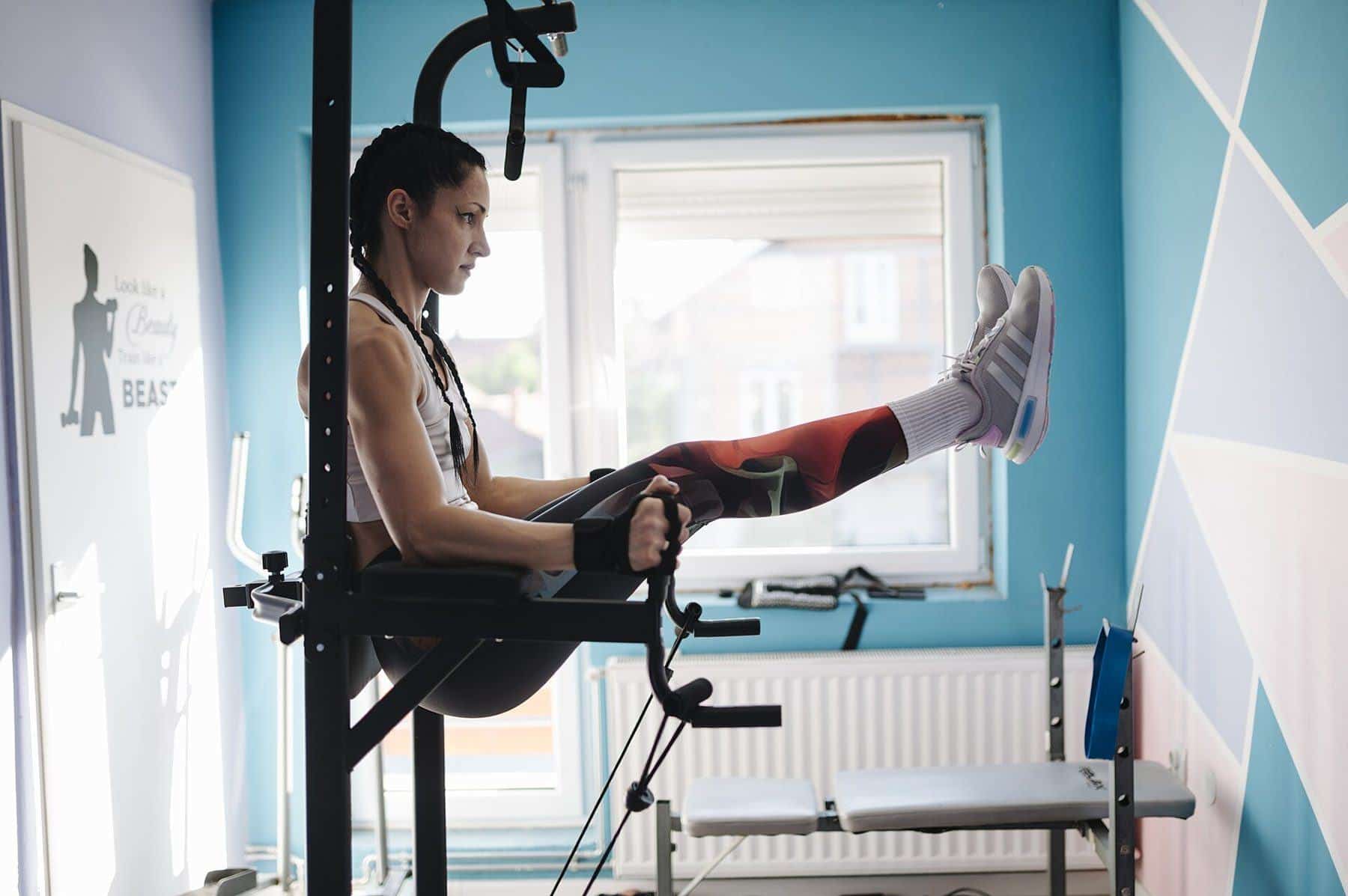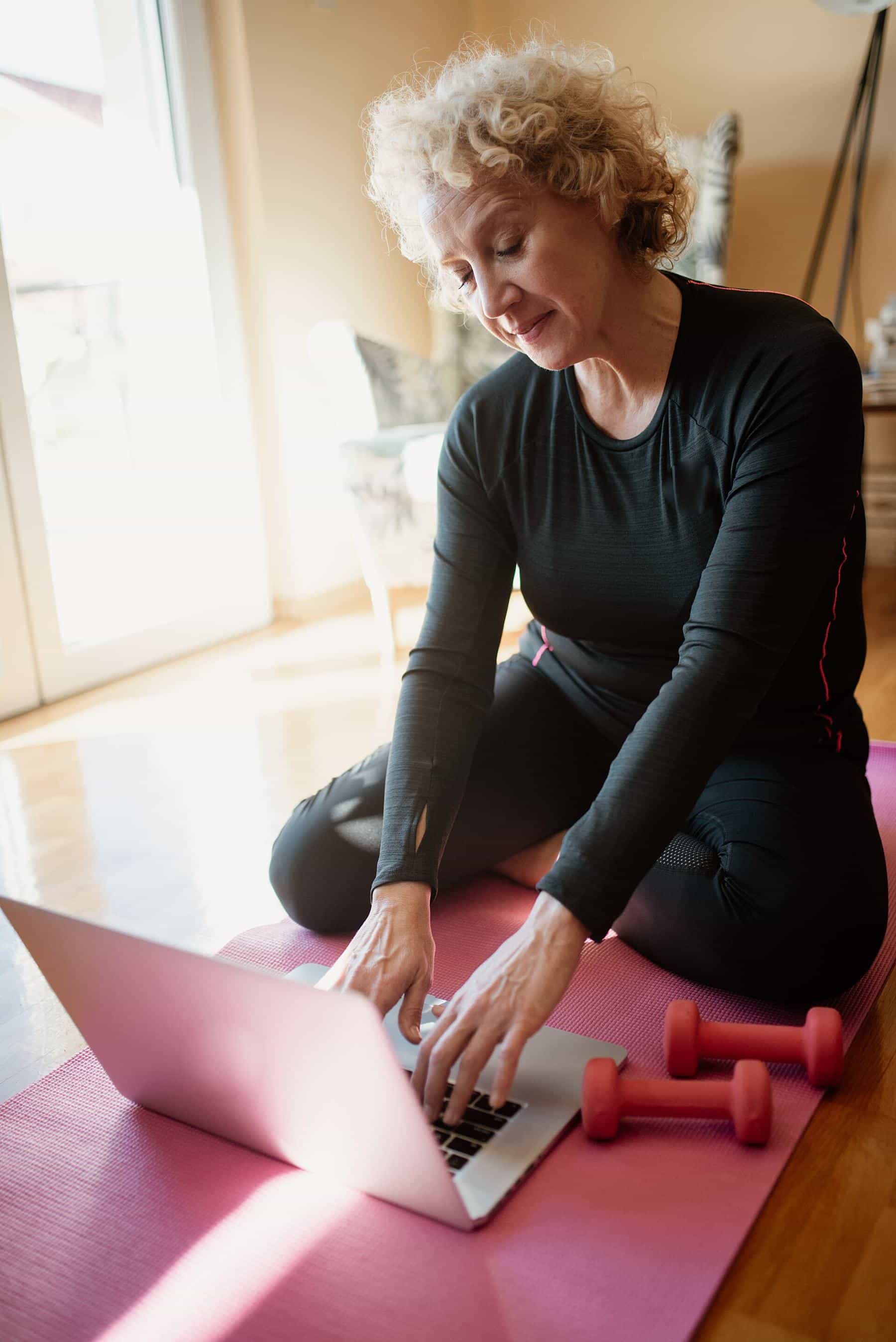
Everyone has days when they would rather stay on the couch. The difference between people who stay active for years and those who stop is rarely willpower. It is systems: routines that make exercise the easy, default choice, and a mindset that bounces back from missed days without drama.
Why motivation fades
Motivation is a feeling, and feelings change. It is high on the first of January and low on a cold, dark Thursday after a long day. If your exercise depends on feeling motivated, it will be patchy. Habits, by contrast, run with little thought once they are established.
Build the habit
Anchor it. Attach exercise to something you already do every day: after your morning coffee, when you get home from work, after dropping the kids at school.
Schedule it. Put sessions in your calendar like appointments. Two or three fixed times a week are easier to protect than "whenever".
Make it tiny at first. A 10-minute walk or workout is easy to start. Once it is automatic, extend it.
Repeat. Habits form through repetition. Expect it to take weeks to months before exercise feels automatic.
Make it easy to start
- Lay out your clothes and shoes the night before.
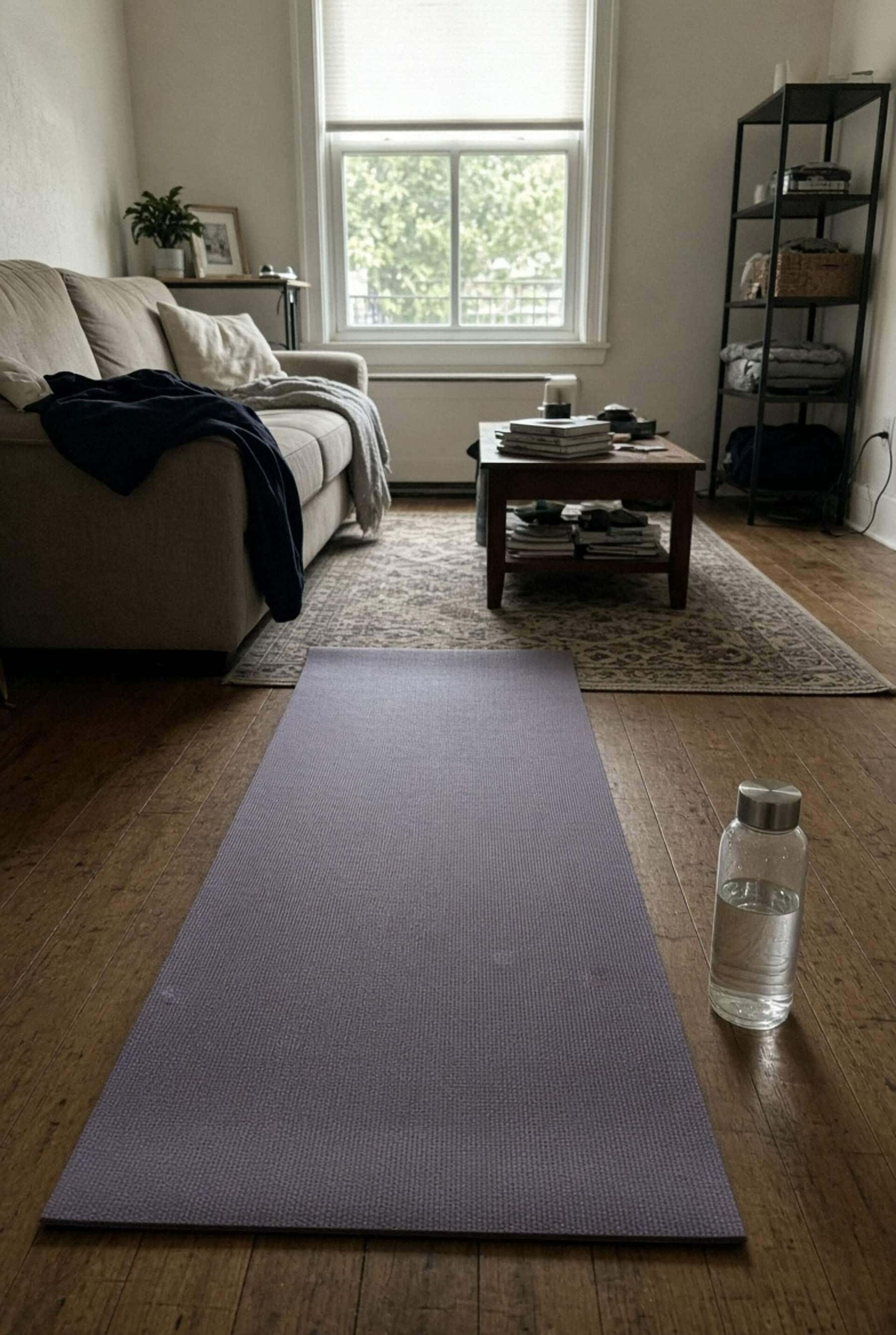
- Keep your mat unrolled or visible.
- Choose your workout in advance.
- Pick routes and activities close to home.
- Have a plan B for bad weather: a home circuit instead of a walk.
The fewer decisions and obstacles between you and starting, the more likely you are to do it.
Choose what you enjoy
Enjoyment is one of the strongest predictors of sticking with exercise. If you dread your workouts, try something different:
- Dance classes or dancing at home.
- Swimming or aqua aerobics.
- Bushwalking and coastal walks.
- Cycling, on the road or on trails.
- Team sports, social netball or touch footy.
- Yoga, Pilates or barre.
- Strength training with a friend.
Find your people
A regular walking buddy, a class, a parkrun crew or a social sports team adds accountability and fun. Even a group chat where you share your workouts can help.
Track and celebrate progress
- Log your sessions. A notebook, calendar or app. A visible streak is motivating.
- Track performance. More push-ups, a longer walk, a heavier dumbbell.
- Notice how you feel. Sleep, energy, mood, stress.
- Celebrate milestones. A month of consistent walking deserves recognition.
Set useful goals
Make goals specific and within your control: "walk for 20 minutes on Monday, Wednesday and Friday" is better than "get fit". Add a bigger, exciting goal too, such as a charity walk, a hike or a fun run, to give your training purpose.
Motivation toolkit
0 of 7 done
Ticks are saved in this browser only.
When life gets in the way
Illness, travel, work deadlines and family needs will interrupt your routine. That is normal.
- Have a minimum. On hard days, a 10-minute walk or workout keeps the habit alive.
- Never miss twice. If you skip one session, make the next one a priority.
- Do not "make up" for missed sessions with punishing workouts.
- Restart small after a long break.
Mind your self-talk
Swap "I have to" for "I get to". Focus on how exercise makes you feel, not on punishing yourself for food or appearance. Be as kind to yourself as you would be to a friend.
When it is more than motivation
If you are struggling with low mood, anxiety or exhaustion that does not lift, talk to your GP. Persistent tiredness can have medical causes, and support is available.
Keep it fresh
Even favourite workouts can get stale. Every month or two, try something new: a different walking route, a new class, a new circuit from our workout builder, or an active day trip. Novelty is a powerful motivator.
Make it social
Plan active catch-ups instead of coffee: a walk along the beach, a bike ride, a hike or a class together. Many people find they look forward to these more than solo sessions, and they are far harder to cancel.
Using technology wisely
Fitness apps, watches and online classes can all help, but they are tools, not magic. Use reminders to prompt your sessions, logs to see your streaks and online workouts for variety. If tracking starts to feel stressful, or you find yourself chasing numbers rather than enjoying movement, take a break from it. The aim is to feel good, not to hit a perfect score every day.
Remember why you started
Write down the reasons you want to be more active: more energy, better sleep, keeping up with your kids, feeling strong. Keep the list somewhere you will see it, and read it on days when motivation is low.
Frequently asked questions
How long does it take to form an exercise habit?
It varies a lot between people and activities. Expect it to take weeks to months of regular repetition before exercise feels automatic.
What if I hate exercise?
You probably have not found the right kind yet. Try dancing, swimming, bushwalking, team sports, cycling or classes until something clicks.
Does exercising with a friend help?
Many people find that a regular exercise buddy, group or class keeps them accountable and makes it more fun.
Should I reward myself for exercising?
Small rewards, such as a favourite podcast saved for walks, can help build the habit. Avoid using food as the main reward.
How do I restart after a break?
Start smaller than before, with a short walk or 10-minute workout, and build back up gradually.
Are fitness apps and trackers worth it?
They can help some people by tracking progress and offering reminders. Others find them stressful. Use what helps you.
Sources and further reading
Facts on this page were checked against these primary and official sources. Conditions change — confirm before you travel or buy.
- Physical activity and exercise guidelines for all Australians — Australian Government Department of Health
- Physical activity – it's important — Better Health Channel (Victorian Government)