Walking is the most underrated exercise there is. It needs no skill, no gym and no special gear beyond comfortable shoes. You can do it alone or with friends, before work or with the dog, on city streets or bush tracks. Brisk walking counts as moderate-intensity activity under Australia's guidelines, so it can cover a big chunk of your weekly target.
What makes a walk "fitness" walking?
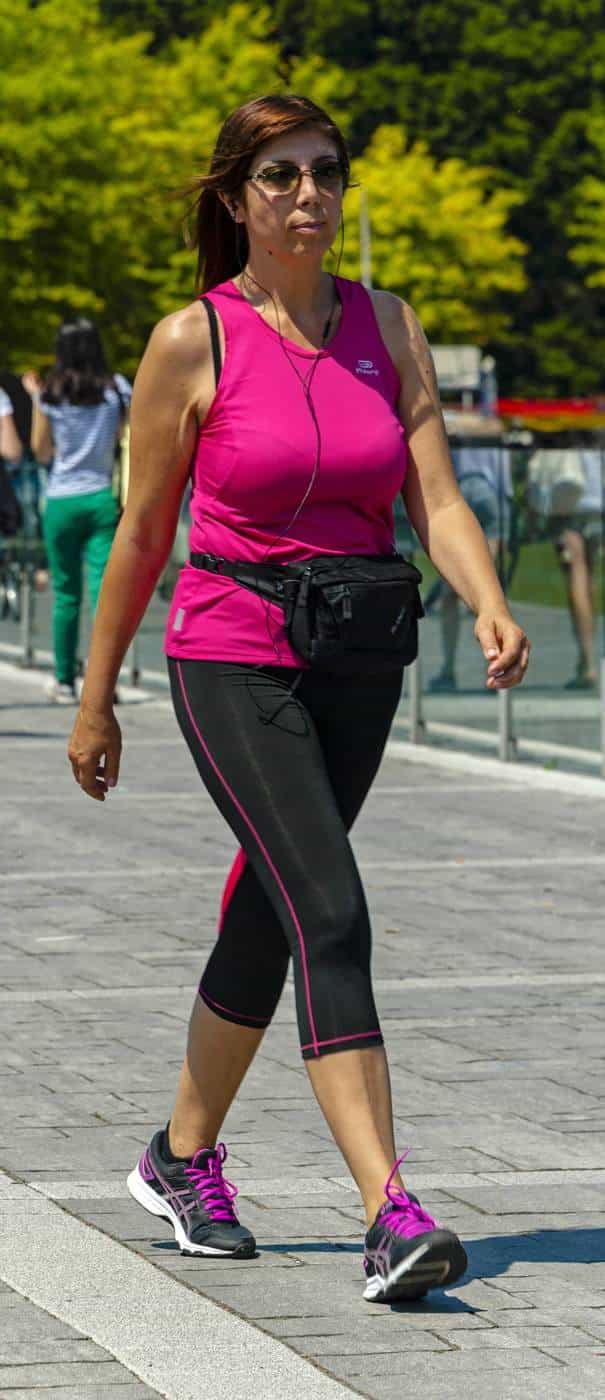
Strolling is lovely, but for fitness you want brisk walking: a pace where you are breathing harder and can still talk, but would struggle to sing. Your heart rate rises and you might warm up enough to sweat lightly. Everyone's brisk is different; it depends on your fitness, and it will get faster as you get fitter.
Good walking technique
- Stand tall. Look ahead, not down at your feet. Shoulders relaxed.
- Swing your arms. Bend your elbows a little and let your arms swing naturally from the shoulders.
- Heel to toe. Land gently on your heel and roll through to push off from your toes.
- Short, quick steps. To go faster, take quicker steps rather than longer strides.
- Breathe naturally.
Gear
- Shoes: comfortable and supportive, with cushioning and room for your toes. Replace them when the cushioning feels flat.
- Clothes: breathable, comfortable layers. A good sports bra helps.
- Sun protection: Australia's UV levels are high. Wear a hat, sunglasses and sunscreen, and check the UV index. Cancer Council's SunSmart has guidance.
- Water: for walks over about 30 minutes or in warm weather.
- Phone: for safety, music or podcasts.
An eight-week walking plan
| Week | Brisk walk | Days |
|---|---|---|
| 1 | 10 minutes | 3 |
| 2 | 15 minutes | 3–4 |
| 3 | 20 minutes | 4 |
| 4 | 20 minutes | 5 |
| 5 | 25 minutes | 5 |
| 6 | 30 minutes | 5 |
| 7 | 30 minutes, one with hills | 5 |
| 8 | 30–40 minutes, one with intervals | 5 |
Start each walk with a few minutes at an easy pace and finish the same way. If a week feels hard, repeat it. By week six, five 30-minute brisk walks cover the 150-minute minimum.
Making it harder
Once 30 minutes feels easy, try:
- Hills or stairs. Find a route with some climbs.
- Intervals. Alternate one or two minutes of very brisk walking with one or two minutes of normal pace.
- Longer walks. A weekend walk of an hour or more on a scenic trail.
- Walk-jog. If you want to, add short jogging intervals.
- Uneven ground. Bush tracks and sand work different muscles.
Staying safe
- Heat: in hot weather, walk early or late, carry water and slow down.
- Sun: hat, sunglasses, sunscreen and shade.
- Traffic: use footpaths, face oncoming traffic where there is no footpath, and wear bright or reflective clothing in low light.
- Personal safety: choose well-lit, populated routes, tell someone your route, and consider walking with a friend.
- Health: stop and seek help if you have chest pain, severe breathlessness or dizziness.
Before you head out
0 of 6 done
Ticks are saved in this browser only.
Making it a habit
- Same time, same place. Walk after breakfast, at lunch or after dinner.
- Walk with someone. A friend, partner, neighbour or walking group.
- Mix up routes. New scenery keeps it interesting.
- Make it useful. Walk to the shops, the station or school.
- Track it. Count minutes or steps, whichever motivates you.
Walking and strength
Walking covers the aerobic part of the guidelines, but you also need muscle-strengthening activity on two days a week. A short home workout after a walk is an efficient combination. Try our 10-minute workouts.
Walking groups and events
Many councils and community groups run free or low-cost walking groups, which are a friendly way to stay consistent. Charity walks and fun runs can give you a goal to work towards.
Walking with the dog or kids
Dog walks and walks with children count too, though you may need to pick up the pace for part of the walk to make it brisk. Try a loop at a quicker pace while the kids ride scooters or bikes alongside.
Exploring on foot
Walking is also one of the best ways to explore new places. Coastal walks, national park trails and city heritage walks turn exercise into an adventure. See active holidays.
Walking in winter and wet weather
Cold, dark or wet days are when walking habits often slip. Dress in layers, wear a light rain jacket and reflective clothing, and choose well-lit routes. On really wild days, walk laps of a shopping centre, use a treadmill, or swap your walk for an indoor workout. Then head out again when the weather clears.
Counting steps
If you like numbers, a step counter can help you see how active you are and nudge you to move more. Aim to increase your daily average gradually rather than chasing a particular target.
Frequently asked questions
Is walking on a treadmill as good as walking outside?
Both count. Treadmills are handy in bad weather, while walking outdoors adds fresh air, varied terrain and scenery.
Should I walk with hand or ankle weights?
Generally it is better not to. They can change your walking pattern and strain joints. Walk faster or add hills instead.
Does walking count as exercise?
Yes. Brisk walking is moderate-intensity activity and counts towards Australia's recommended 150 to 300 minutes a week for adults.
How fast is brisk walking?
Fast enough that you are breathing harder and can talk but not sing. The pace is different for everyone.
How far should I walk each day?
Think in minutes rather than distance. Building to around 30 minutes of brisk walking on most days is a good goal.
What shoes are best for walking?
Comfortable, supportive shoes with a cushioned sole and room for your toes. Walking or running shoes both work. Replace them when the cushioning wears out.
Is walking enough on its own?
Walking covers the aerobic part of the guidelines. Add muscle-strengthening activities on at least two days a week.
How can I walk safely in summer?
Walk early or late, wear a hat and sunscreen, carry water and avoid the hottest part of the day. Check the UV index.
Sources and further reading
Facts on this page were checked against these primary and official sources. Conditions change — confirm before you travel or buy.
- Physical activity and exercise guidelines for all Australians — Australian Government Department of Health
- Walking for good health — Better Health Channel (Victorian Government)
- SunSmart — Cancer Council Victoria