Exercise advice can feel overwhelming: 10,000 steps, five gym sessions, an hour of cardio a day. The good news is that the official Australian guidelines are realistic, flexible and based on evidence. And the most important line in them is this: doing any physical activity is better than doing none.
150–300
Moderate minutes
Per week, adults 18–64
75–150
Vigorous minutes
Per week, or a mix of both
2+
Strength days
Muscle-strengthening each week
The guidelines for adults (18 to 64)
Australia's physical activity and exercise guidelines for adults recommend that you:
- Be active on most, preferably all, days every week.
- Accumulate 150 to 300 minutes (2.5 to 5 hours) of moderate-intensity physical activity, or 75 to 150 minutes (1.25 to 2.5 hours) of vigorous-intensity activity, or an equivalent combination each week.
- Do muscle-strengthening activities on at least two days each week.
- Minimise the time spent sitting for long periods, and break up long periods of sitting as often as possible.
The World Health Organization's recommendations for adults are very similar.
What do moderate and vigorous mean?
A simple test is the "talk test":
| Intensity | How it feels | Examples |
|---|---|---|
| Light | Easy; you can sing | Slow walking, light housework |
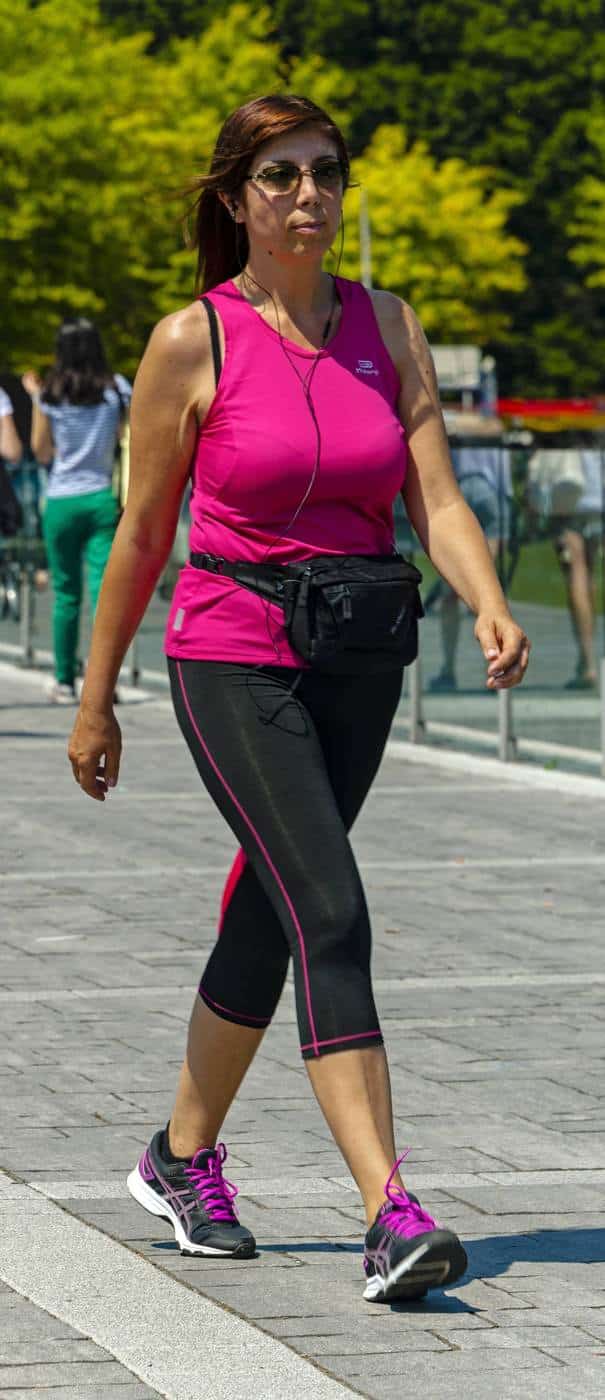
| Moderate | Breathing harder; you can talk but not sing | Brisk walking, casual cycling, mowing, dancing |
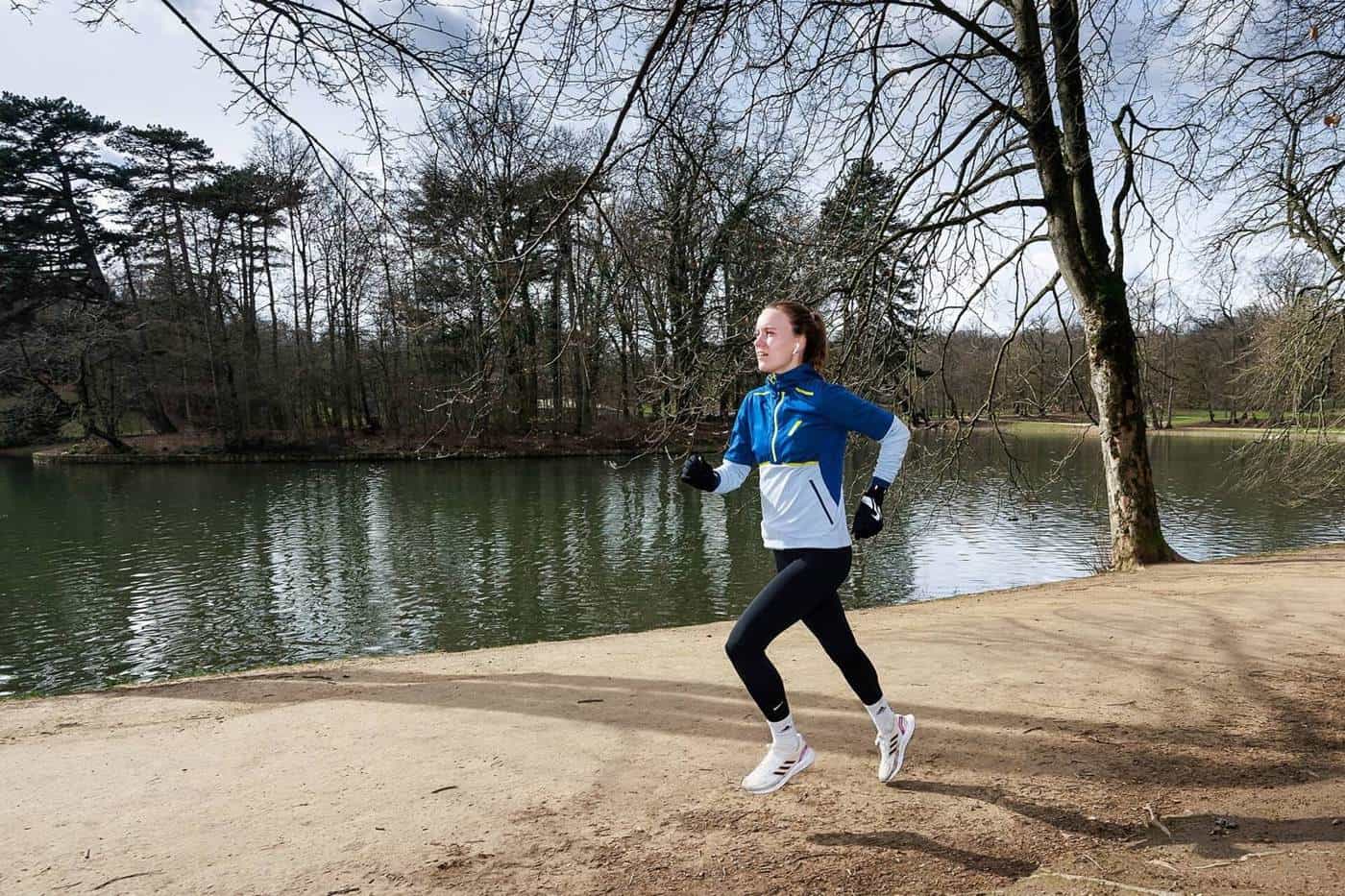
| Vigorous | Huffing and puffing; only a few words at a time | Jogging, fast cycling, hard fitness classes, swimming laps fast |
As a rule of thumb, one minute of vigorous activity is roughly equivalent to two minutes of moderate activity.
What counts as muscle strengthening?
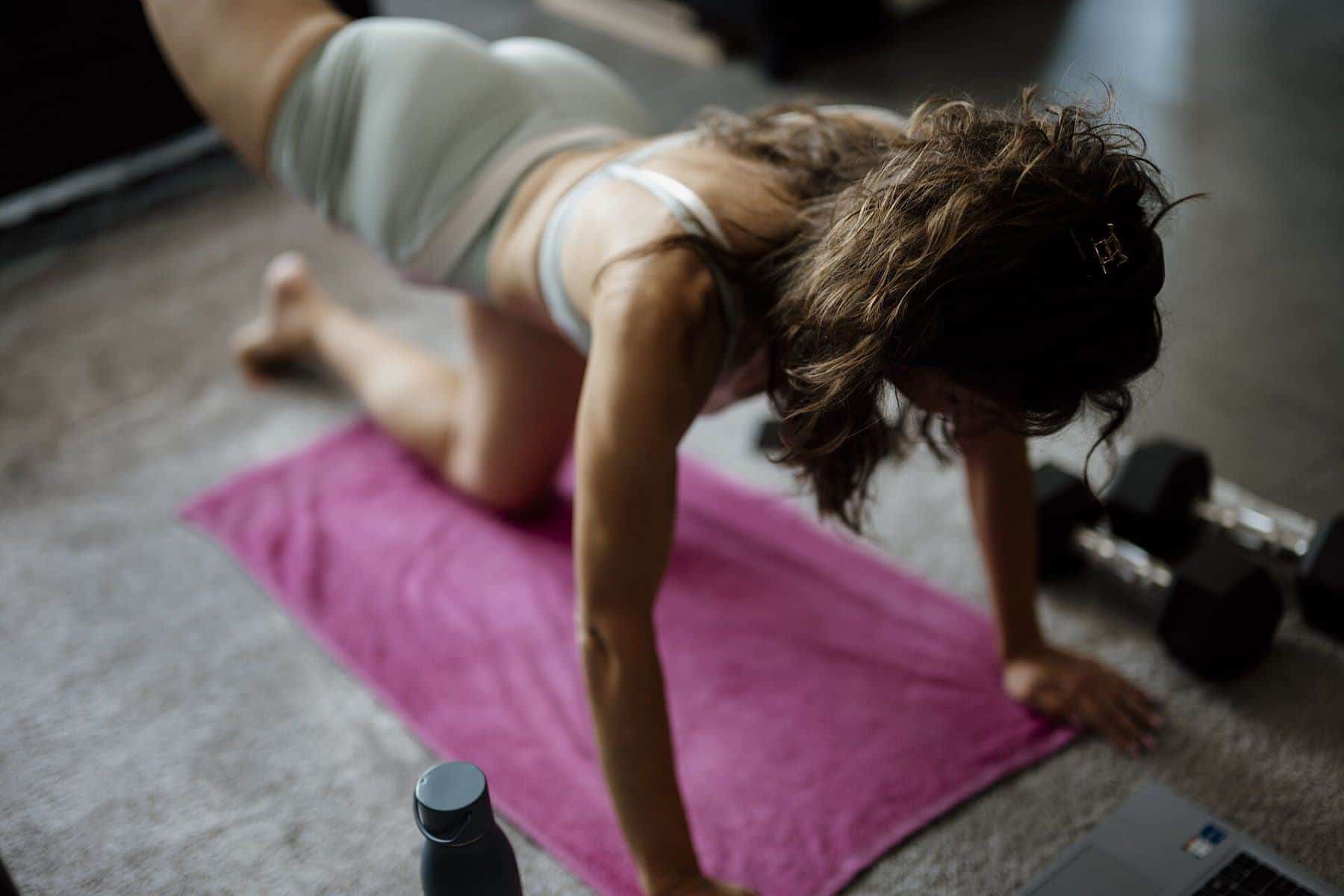
Anything that makes your muscles work against resistance: bodyweight exercises such as squats and push-ups, resistance bands, dumbbells, Pilates, carrying heavy shopping, and heavy gardening such as digging. Our home workouts are designed to tick this box.
Breaking it down
150 minutes sounds like a lot. Here are some ways it adds up:
- 30 minutes of brisk walking on five days.
- 20 to 25 minutes a day, every day.
- Three 10-minute walks a day on five days.
- Two 45-minute active sessions plus a 60-minute weekend hike.
Add two short strength sessions and you are meeting the guidelines.
Sitting less
The guidelines treat sitting separately from exercise: even if you work out, long stretches of sitting are worth breaking up. Stand for phone calls, take short walking breaks, use a standing desk for part of the day, and get up during ad breaks.
Older adults (65 and over)
The guidelines for older Australians recommend at least 30 minutes of moderate-intensity activity on most, preferably all, days, and a range of activities that incorporate fitness, strength, balance and flexibility. If you have been inactive, start at a level that is easy and build up gradually. Check with your doctor if you have health concerns.
Pregnancy
Australian guidance encourages many pregnant women to stay active, with appropriate adjustments. Talk to your doctor or midwife about what is right for you, especially if you have complications or were not active before pregnancy. Pregnancy, Birth and Baby has more information.
If you are starting from zero
Do not aim for 150 minutes in week one. Aim for a little more than you do now: a 10-minute walk most days and one or two short strength sessions. Add five minutes here and there as it gets easier. See getting started.
Should you see a doctor first?
Most people can start light to moderate activity safely. If you have a heart condition, chest pain, dizziness, a chronic illness, joint problems, are pregnant, or are unsure, talk to your doctor first. Exercise & Sports Science Australia has a free pre-exercise screening tool.
Your weekly guideline check
0 of 6 done
Ticks are saved in this browser only.
What about 10,000 steps?
The 10,000-steps target is popular, but it is not part of Australia's guidelines. Step counts can be a handy motivator; what matters is the time you spend moving, how hard you work and that you do strength work too.
Tracking your activity
A simple diary, a phone app or a fitness watch can help you see whether you are meeting the guidelines. Count minutes rather than obsessing over calories. Look at your week as a whole: a busy Tuesday with no exercise is balanced out by a long weekend walk.
Beyond the numbers
The guidelines are a target, not a test. Moving more is linked with many health benefits, and you do not need to hit the full amount to benefit. Find activities you enjoy, build up gradually, and be proud of every bit you do.
Children and teenagers
The guidelines for children and young people aged 5 to 17 recommend an average of at least 60 minutes of moderate to vigorous activity a day, including vigorous activities and activities that strengthen muscles and bones on at least three days a week. Being active as a family is one of the easiest ways for everyone to move more.
Frequently asked questions
How many minutes of exercise a week do adults need?
Australia's guidelines recommend that adults aged 18 to 64 accumulate 150 to 300 minutes of moderate-intensity activity, or 75 to 150 minutes of vigorous activity, or an equivalent combination, each week.
How many days a week should I do strength training?
At least two days a week of muscle-strengthening activities, according to the guidelines for adults.
What counts as moderate intensity?
Activity that makes you breathe harder but still lets you hold a conversation, such as brisk walking, mowing the lawn or a casual bike ride.
What counts as vigorous intensity?
Activity that makes you huff and puff so you can only say a few words, such as jogging, fast cycling or a hard fitness class.
Do I need to do it all at once?
No. Activity can be accumulated through the day and the week. Several short sessions count.
What about older adults?
The guidelines for adults aged 65 and over recommend at least 30 minutes of moderate activity on most, preferably all, days, plus activities that build strength, balance and flexibility.
Sources and further reading
Facts on this page were checked against these primary and official sources. Conditions change — confirm before you travel or buy.
- Physical activity and exercise guidelines for all Australians — Australian Government Department of Health
- Physical activity — World Health Organization
- Exercising during pregnancy — Pregnancy, Birth and Baby (Australian Government)