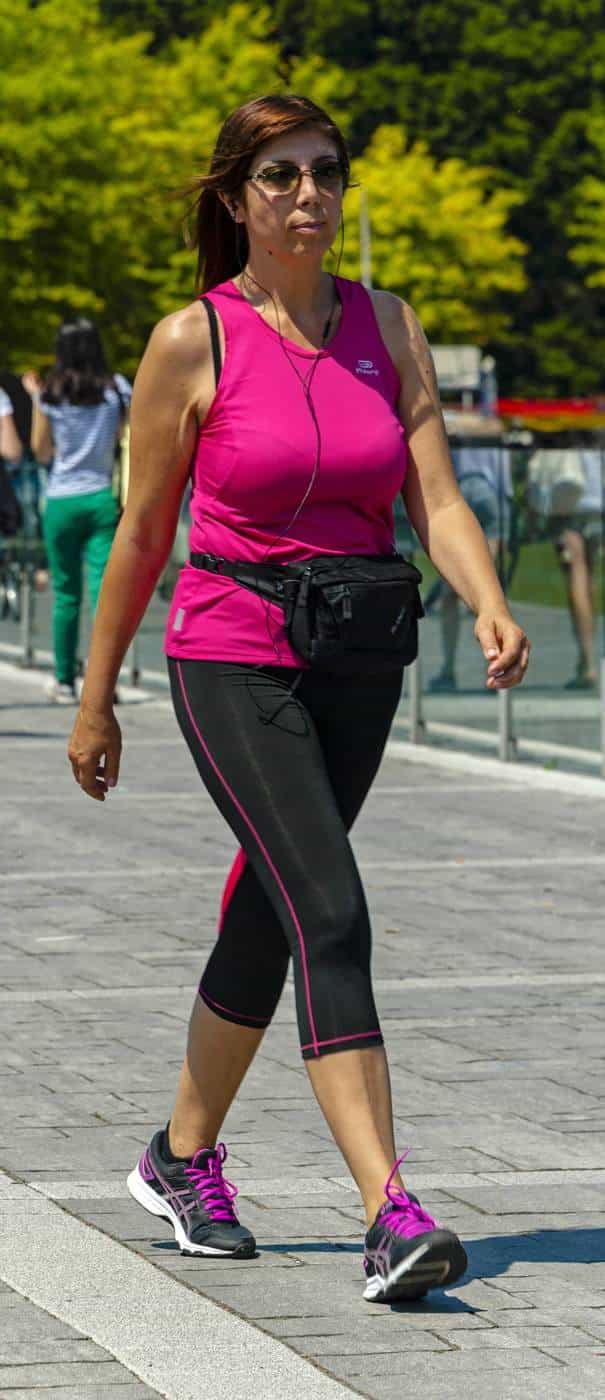
If you are starting from zero, or restarting for the tenth time, welcome. Most people do not lack willpower; they lack a plan that fits their actual life. This section helps you build one: realistic goals, small steps and the basics you need to move safely.
Your first two weeks
0 of 7 done
Ticks are saved in this browser only.
Step 1: Check in with your health
Most people can safely start light to moderate exercise. But if you have a heart condition, chest pain, dizziness, a chronic illness, are pregnant, are recovering from an injury or surgery, or simply are not sure, talk to your doctor first. Exercise & Sports Science Australia publishes a free adult pre-exercise screening tool that helps identify whether you should get advice before starting.
Step 2: Know the target, then ignore it for now
Australia's guidelines recommend that adults do 150 to 300 minutes of moderate activity or 75 to 150 minutes of vigorous activity each week, plus strength work on two days. That is the destination. If you are currently doing very little, your first goal is simply to do a bit more than now. Read our plain-English guide to the guidelines.
Step 3: Start small and specific
"Get fit" is not a plan. "Walk for 15 minutes after dinner on Monday, Wednesday and Friday" is. Small, specific goals are easier to start and easier to keep. Once they feel automatic, add a little more.
Step 4: Walk
Walking is free, needs no skill and can be done almost anywhere. Brisk walking counts as moderate-intensity activity. It is the easiest foundation for a fitness habit. See walking for fitness.
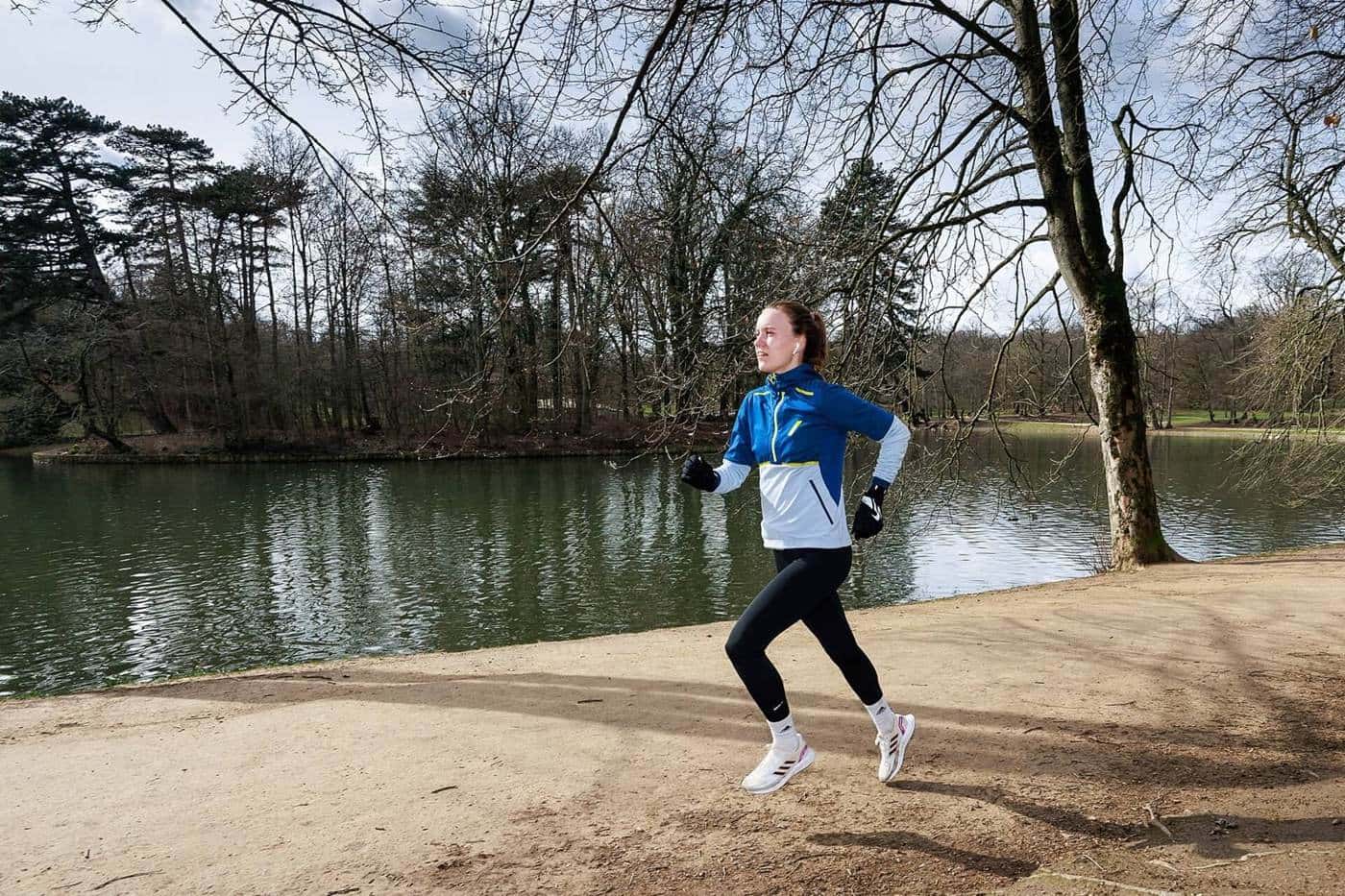
Step 5: Add two strength sessions
Muscle-strengthening activity matters for everyone: it helps with everyday tasks, posture, balance and bone health. Two short home workouts a week is enough to begin. Use our workout builder or the 10-minute workouts.
Step 6: Avoid the classic traps
Doing too much too soon, skipping warm-ups, copying advanced routines and relying on motivation alone are the classic reasons people stop. Read the common workout mistakes.
What to expect in the first month
- Week 1: You might feel a bit stiff or sore. That is normal. Keep sessions short.
- Week 2: Moves start to feel familiar. You may notice better sleep or mood.
- Weeks 3 and 4: The habit starts to stick. You can probably do a little more than when you started.
Do not judge progress by the scales or the mirror. Notice instead how easily you climb stairs, carry shopping, or keep up with the kids.
Gear
You do not need much. Comfortable clothes, supportive shoes and a water bottle will do. A good sports bra makes a big difference to comfort for walking and jumping moves. A mat is useful for floor exercises.
When life gets in the way
Sick kids, busy weeks and holidays will interrupt your routine. That is life, not failure. When you miss a session, do not try to make it up with a punishing workout; just do the next one. A 10-minute session on a hard day keeps the habit alive.
Guides in this section
Guides in this section
Getting started
How much exercise do you need?
Australia's physical activity guidelines in plain English: weekly minutes, moderate versus vigorous, strength days, sitting less, older adults and pregnancy.
Read · 3 min
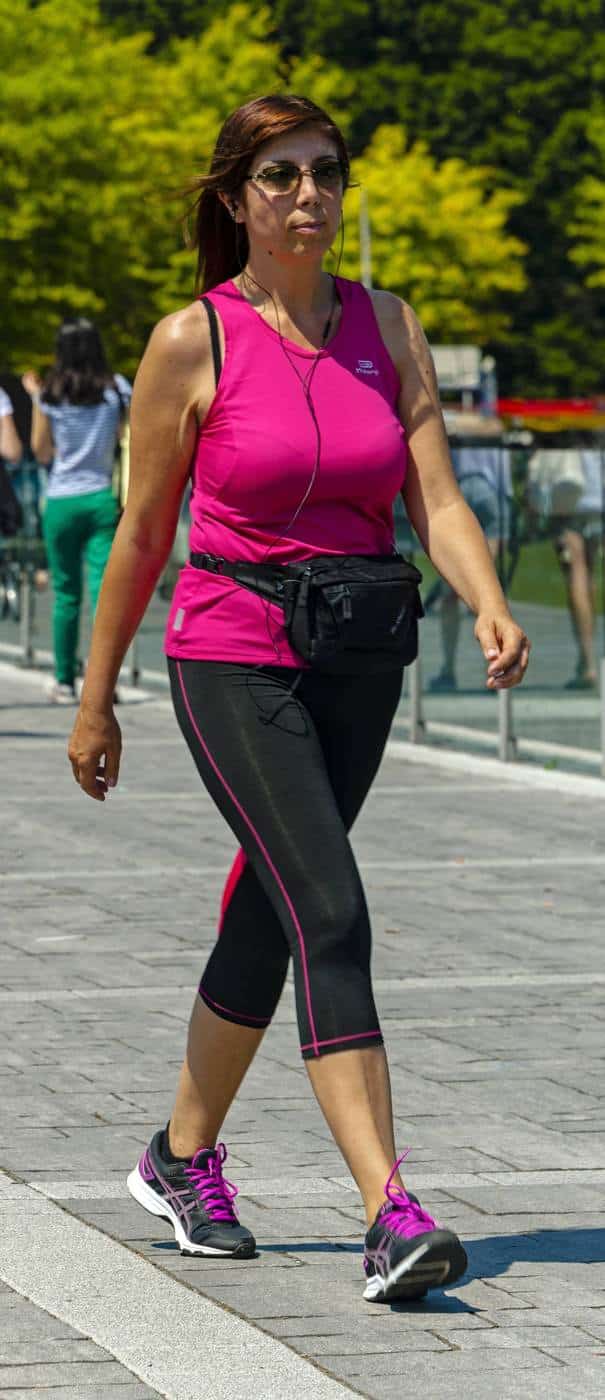
Getting started
Walking for fitness
How to use walking for fitness: brisk pace, posture, shoes, an eight-week plan, adding hills and intervals, staying safe in heat and sun, and making it a habit.
Read · 3 min
Getting started
Common workout mistakes
The workout mistakes that hold beginners back: doing too much too soon, skipping warm-ups, poor form, no plan, ignoring rest, and relying on motivation.
Read · 3 min
Frequently asked questions
I have not exercised for years. Where do I start?
Start small, with something you enjoy, such as a 10-minute walk most days or a short home workout twice a week. If you have health conditions or concerns, check with your doctor first.
Do I need to see a doctor before starting exercise?
Many people can start light to moderate activity safely. Talk to your doctor first if you have a heart condition, chest pain, dizziness, a chronic illness, are pregnant, or are unsure. Exercise & Sports Science Australia offers a pre-exercise screening tool.
How long until I see results?
Many people feel better, sleep better and have more energy within a few weeks. Strength and fitness improve gradually with regular practice.
Is it normal to feel sore after exercise?
Some muscle soreness a day or two after new exercise is common and usually fades within a few days. Sharp or lasting pain is not normal.
What is the best time of day to exercise?
Whenever you will actually do it. Morning, lunchtime and evening all work; consistency matters more than timing.
Can I count housework and gardening?
Yes. Vigorous gardening, carrying shopping and brisk housework all count as physical activity if they get you moving and a bit puffed.
Sources and further reading
Facts on this page were checked against these primary and official sources. Conditions change — confirm before you travel or buy.
- Physical activity and exercise guidelines for all Australians — Australian Government Department of Health
- Adult pre-exercise screening system — Exercise & Sports Science Australia
- Exercise safety — Better Health Channel (Victorian Government)