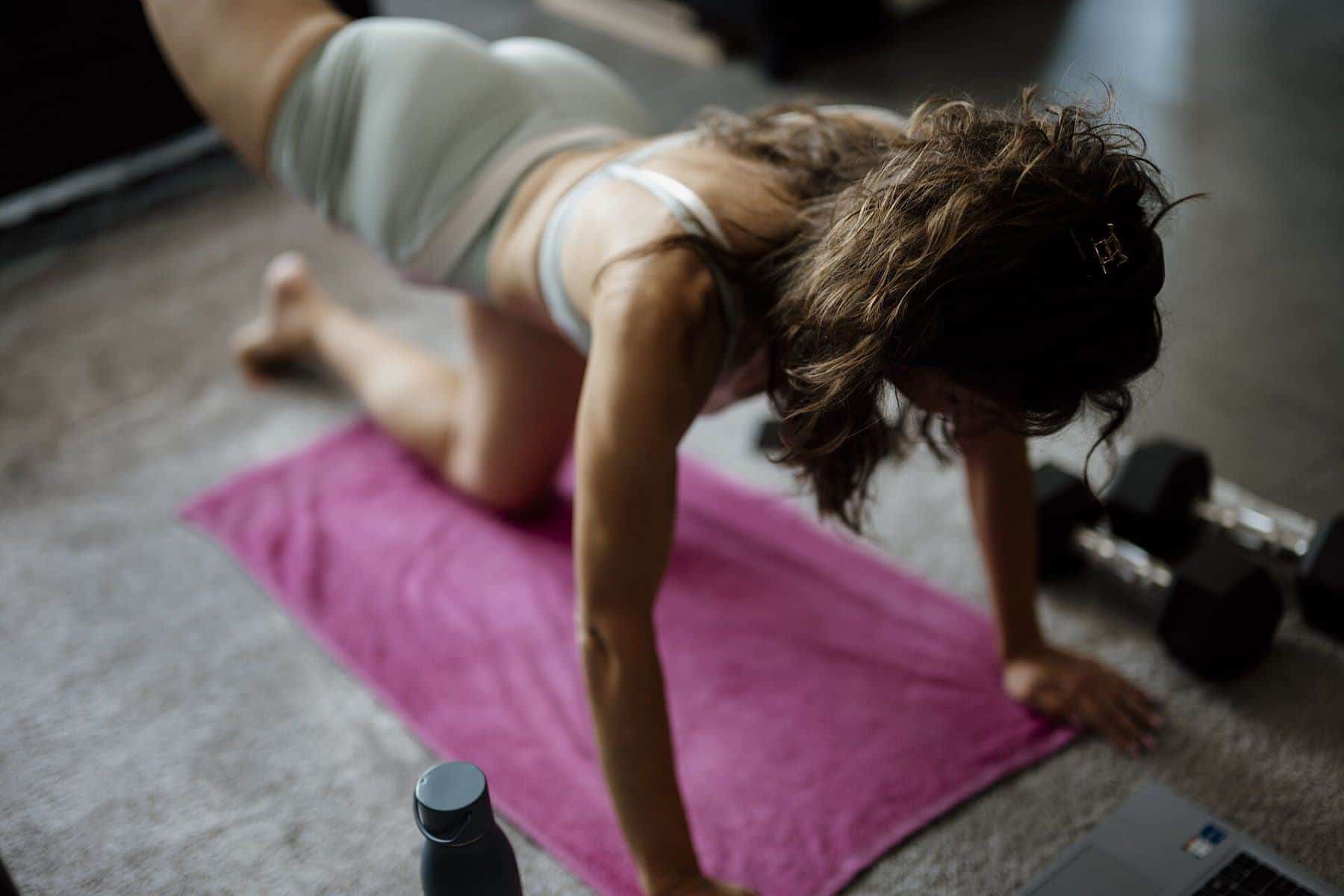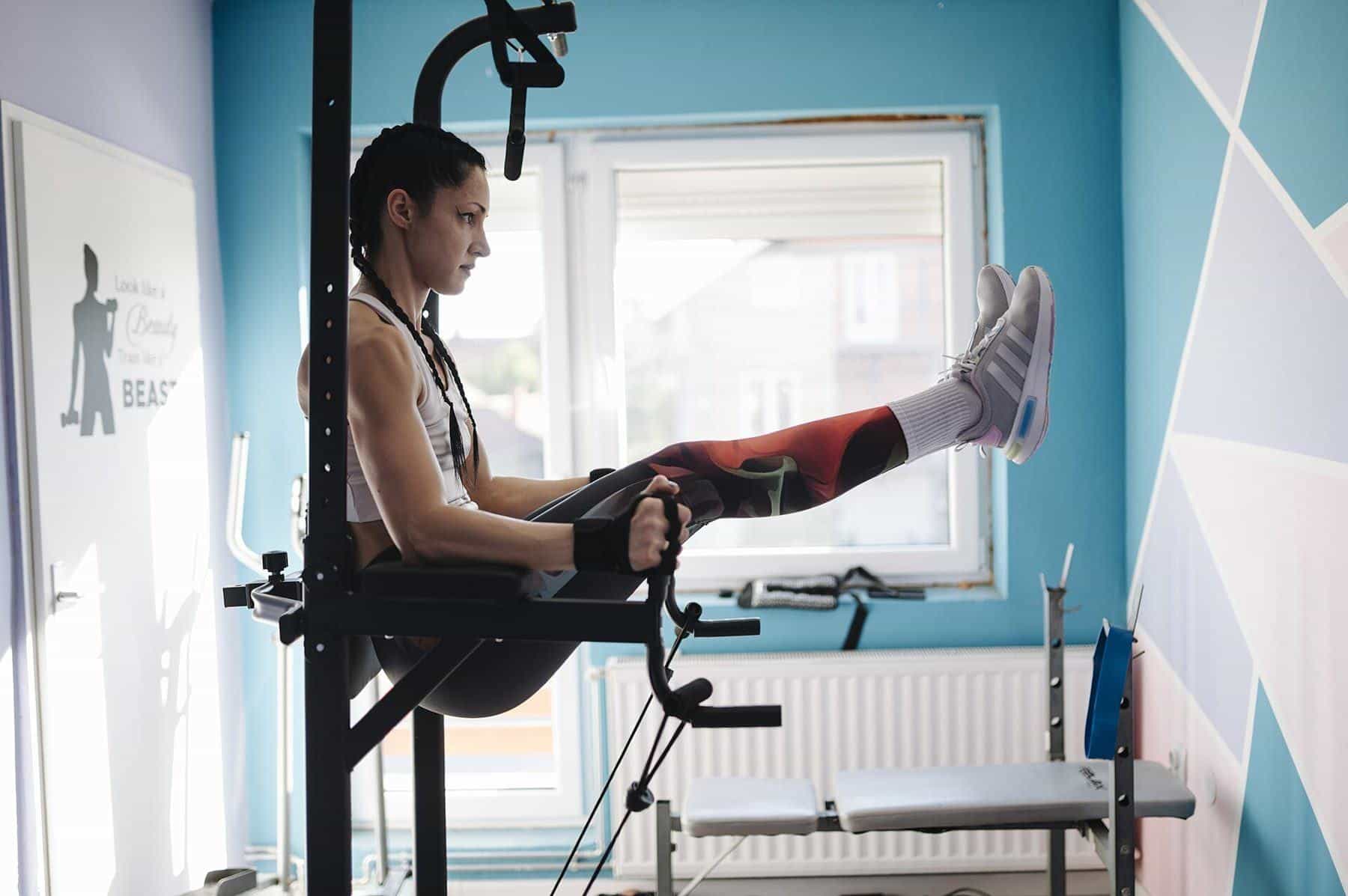
"I don't have time" is the most common reason people give for not exercising, and it is often true. But most of us can find ten minutes: before the kids wake, while dinner is in the oven, between meetings. Ten focused minutes will not transform you overnight, but done regularly they build strength, lift your mood and, crucially, keep the exercise habit alive on busy days.
Australia's physical activity guidelines are clear that doing any physical activity is better than doing none, and that activity can be accumulated across the week. Short sessions count.
How these workouts work
Each workout follows the same format:
- Warm-up (1 minute). March on the spot, roll your shoulders, swing your arms and do a few gentle squats.
- Circuit (8 minutes). Four exercises, each for 40 seconds with 20 seconds rest. Do the circuit twice.
- Cool-down (1 minute). Slow breathing and a couple of easy stretches.
If 40 seconds on and 20 off is too much, do 30 on and 30 off. If it is too easy, go 45 on and 15 off, or add a third round and call it 14 minutes.
10 min
Per session
Warm-up, two rounds, cool-down
40/20
Work/rest
Seconds; adjust to suit
4 moves
Per circuit
Easy to remember
Workout 1: Full-body basics
- Squats. Feet hip-width, sit back as if into a chair, stand tall. Easier: sit down to a chair and stand up. Harder: pause at the bottom or add a jump.
- Incline push-ups. Hands on a kitchen bench or sturdy table, body in a straight line, lower your chest and press away. Easier: hands on a wall. Harder: hands on the floor, knees or toes.
- Glute bridges. Lie on your back, knees bent, press through your heels to lift your hips, squeeze your glutes, lower slowly. Harder: one leg at a time.
- Marching or jogging on the spot. Lift your knees and pump your arms. Harder: high knees or star jumps if your joints are happy.
Workout 2: Lower-body burner
- Reverse lunges. Step one foot back and lower until both knees bend, then return. Alternate legs. Easier: hold a chair for balance and keep the movement small.
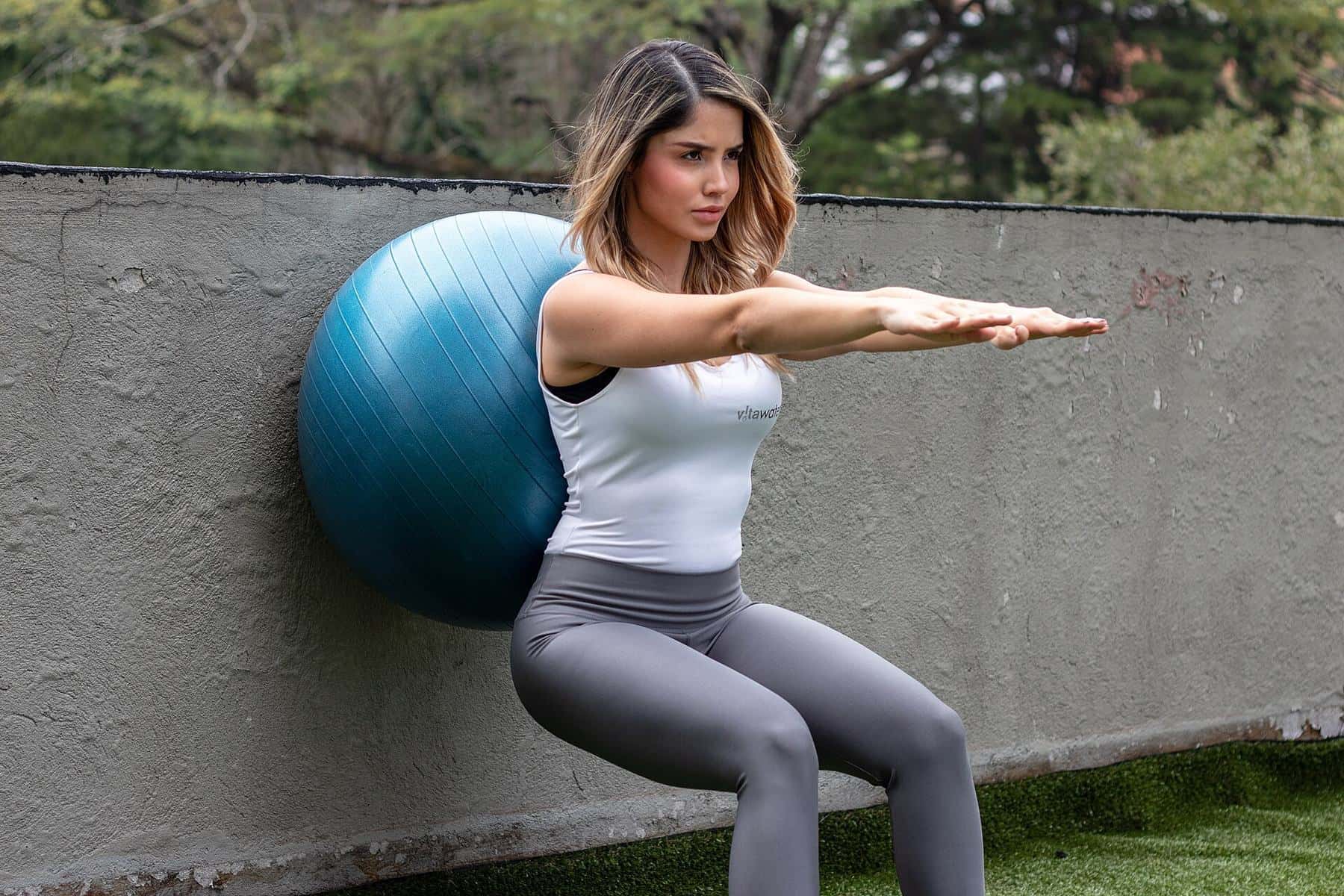
- Wall sit. Back against a wall, slide down until your knees are bent, hold. Easier: stay higher. Harder: sit lower or hold longer.
- Side-lying leg lifts. Lie on your side, top leg straight, lift and lower with control. Swap sides halfway.
- Step-ups. Step up onto the bottom stair and down again, alternating the leading leg. Hold the rail.
Workout 3: Core and posture
- Bird dog. On all fours, reach one arm forward and the opposite leg back, hold briefly, return. Alternate sides. Keep your back still.
- Dead bug. Lie on your back, arms up, knees bent at 90 degrees. Slowly lower opposite arm and leg towards the floor, return, swap. Keep your lower back steady.
- Forearm plank. Elbows under shoulders, body in a line from head to knees or heels. Easier: knees down. Harder: lift one foot.
- Superman (or back extension). Lie face down and gently lift your chest and arms, keeping your neck long. Lower slowly.
Rotating the workouts
Try this weekly rotation alongside walking:
| Day | Workout |
|---|---|
| Monday | Full-body basics |
| Wednesday | Lower-body burner |
| Friday | Core and posture |
| Other days | Walk, stretch or rest |
Over time, you can stack two workouts for a 20-minute session.
How hard should it feel?
You should be breathing harder and feeling your muscles working, but still able to speak a short sentence. The last few seconds of each exercise should feel challenging. If you cannot keep good form, slow down or switch to the easier version.
Making the most of ten minutes
- Decide in advance. Know which workout you will do before you start.
- Set a timer. A free interval timer app saves you watching the clock.
- Keep it visible. Write the moves on a sticky note on the fridge.
- Stack it. Attach it to something you already do, like after your morning coffee.
Safety
Stop if you feel sharp pain, chest pain, dizziness or unusual breathlessness, and seek medical advice. If you have a health condition, injury or are pregnant, check with your doctor which exercises suit you.
10-minute checklist
0 of 6 done
Ticks are saved in this browser only.
When ten minutes becomes twenty
Once these circuits feel comfortable, you have a few choices. Stack two of them back to back, add a third round, or move on to our no-equipment workout or workout builder for longer sessions. There is no rush. Keep the ten-minute versions in your back pocket for busy days.
Ten minutes with the family
Short workouts are easy to share. Invite kids or a partner to join in, let them choose the music, and turn moves into a game: who can hold the wall sit longest, or how many star jumps in 30 seconds. It adds fun and gets everyone moving.
Frequently asked questions
Is a 10-minute workout enough?
Ten minutes is a great start and counts towards your weekly activity. Over a week, several short sessions add up. Australia's guidelines say any activity is better than none.
Can I do a 10-minute workout every day?
Yes, if you vary the focus and intensity. Alternate strength circuits with walking or stretching, and take a rest day when you feel run down.
Should I do 10-minute workouts in the morning or evening?
Whenever suits you. Some people like a morning wake-up; others prefer an evening stress-buster.
How do I make a 10-minute workout harder?
Work longer, rest less, choose harder versions of each move or add a band or dumbbells.
Do I still need to warm up for 10 minutes of exercise?
Yes, briefly. Each circuit here starts with a one-minute warm-up and ends with a one-minute cool-down.
Can I stack two 10-minute workouts?
Absolutely. Do two different circuits back to back for a 20-minute session.
Sources and further reading
Facts on this page were checked against these primary and official sources. Conditions change — confirm before you travel or buy.
- Physical activity and exercise guidelines for all Australians — Australian Government Department of Health
- Physical activity — World Health Organization
- Exercise safety — Better Health Channel (Victorian Government)