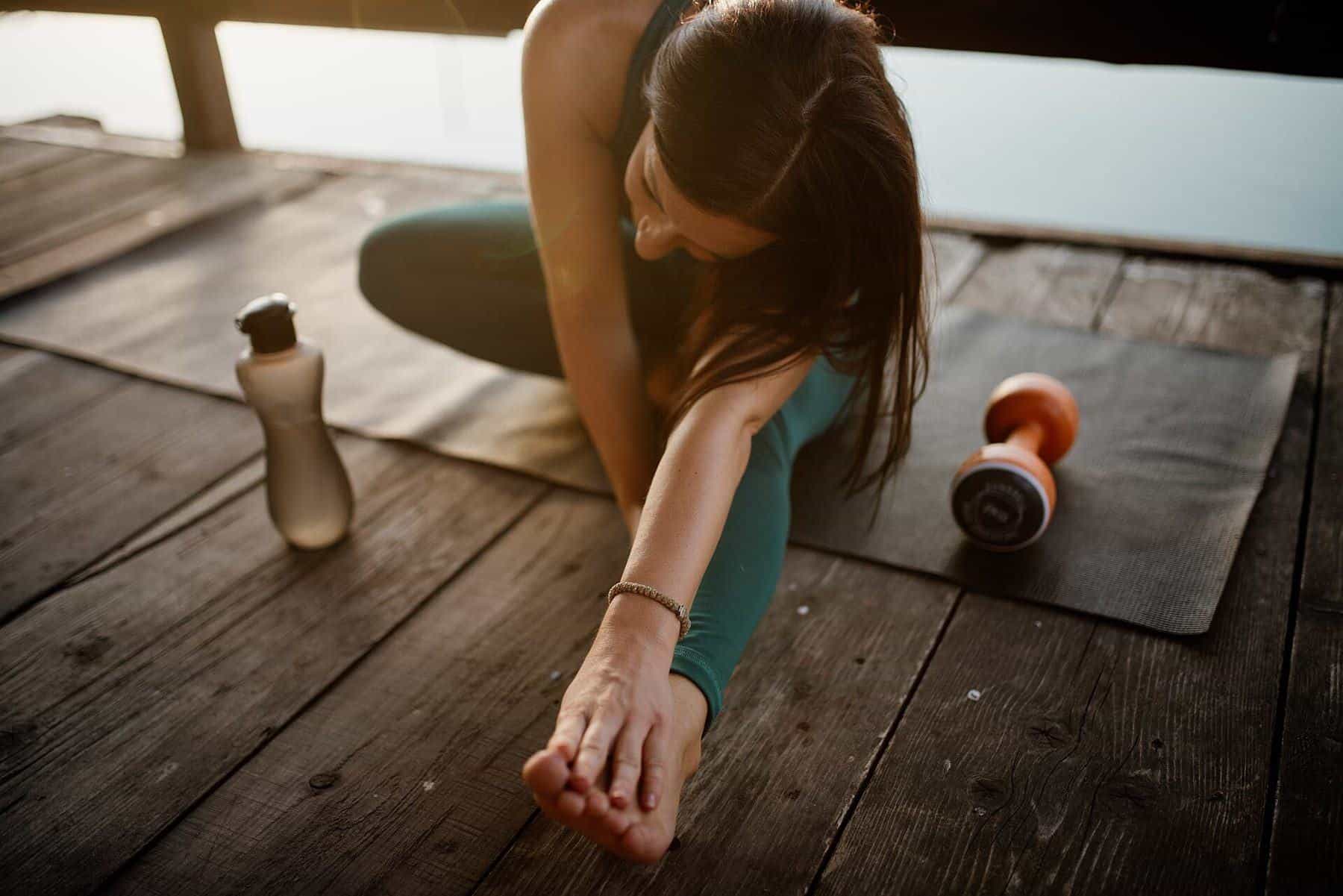
Anyone can do a workout. The hard part is still doing them six months from now. This section is about the "in-between" stuff that makes fitness stick: motivation that does not depend on willpower, recovery that keeps you fresh, and ways to stay active when life takes you away from your usual routine.
Motivation is unreliable. Habits are not.
Motivation comes and goes. Habits run on autopilot. The people who stay active for years usually have routines that make exercise the default: the same days, the same times, gear ready to go. They also choose activities they enjoy, because enjoyment is the best predictor of whether you will keep going. Read staying motivated.
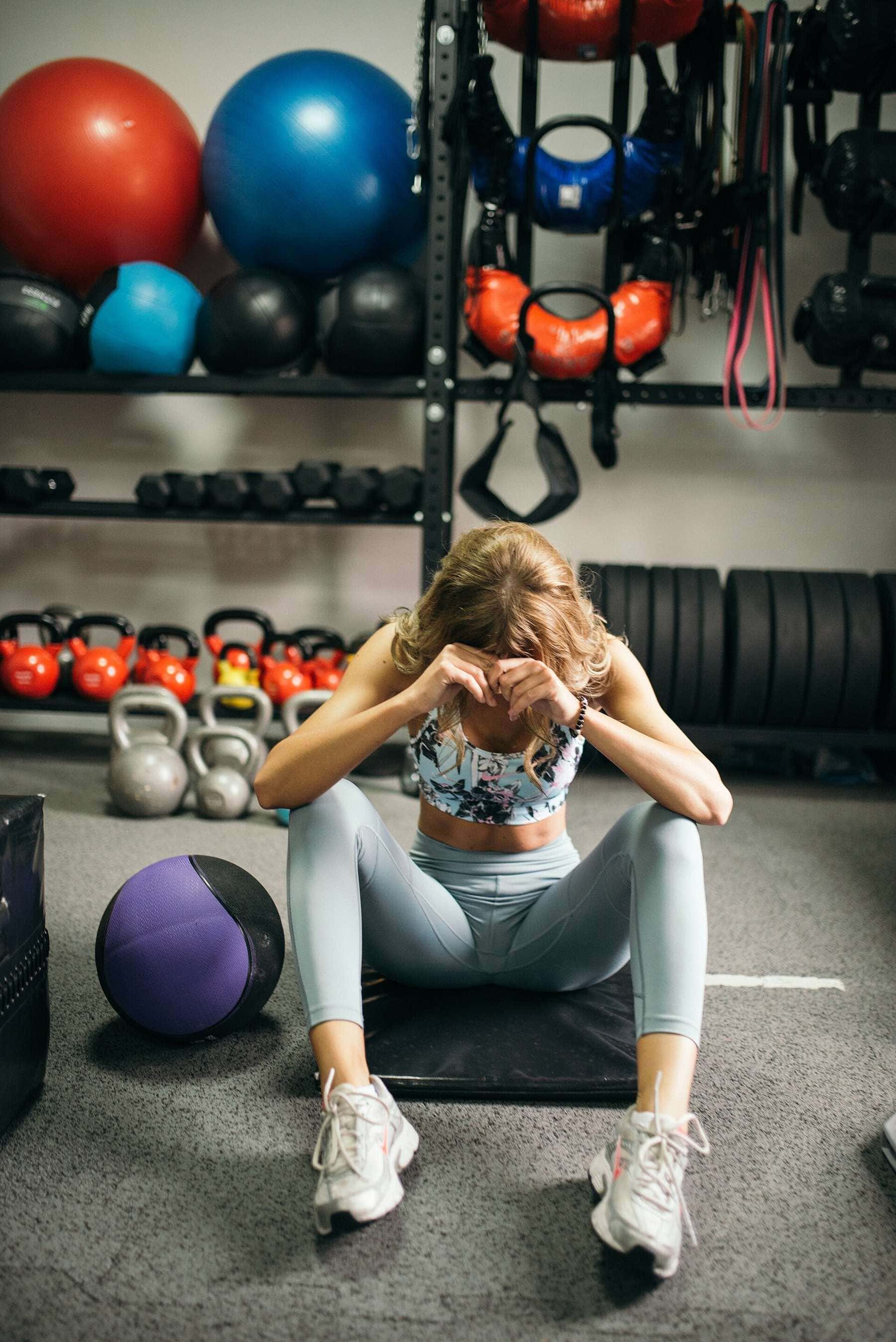
Rest and recovery
Training is the stimulus; recovery is where your body adapts. Sleep, rest days, active recovery and sensible progression stop you burning out or getting injured. More is not always better. Read rest and recovery.
Active holidays and retreats
Holidays are a chance to move in new ways: coastal walks, hikes in national parks, snorkelling, cycling trails, a yoga class by the beach. Australia has wellness retreats ranging from simple to luxurious, and many destinations are perfect for active days out. Read active holidays and wellness retreats.
Everyday movement adds up
Australia's guidelines also encourage minimising the time you spend sitting and breaking up long periods of sitting as often as possible. Small changes help:
- Stand or walk during phone calls.
- Take the stairs.
- Park further away or get off public transport a stop early.
- Set a reminder to stand and stretch every hour at your desk.
- Walk to the shops, school or café when you can.
Fitting fitness around family and work
Busy weeks call for flexible plans. Some ideas:
- Micro-workouts. Two or three 10-minute sessions count just as well as one longer one.
- Move with the kids. Park games, bike rides, dancing in the lounge room.
- Lunchtime walks. A brisk 20 minutes clears your head and ticks off activity.
- Commute actively. Walk or ride part of the way.
- Team up. A regular walk with a friend is harder to skip.
Mind and mood
Many people find exercise helps them manage stress, lift their mood and sleep better. It is not a replacement for professional help if you are struggling. If you are feeling low or anxious for more than a couple of weeks, talk to your GP, or contact a support service such as Beyond Blue.
Listening to your body
There is a difference between "this is hard" and "this hurts". Effort, puffing and muscle burn during exercise are normal. Sharp pain, joint pain, chest pain or dizziness are not. Back off when you are sick, run down or very tired, and see a health professional if pain persists.
Small wins add up
You do not need to overhaul your life to be more active. A five-minute walk after lunch, taking the stairs, stretching while the kettle boils and a weekend outing with friends all add up over a week. Start with one small change, make it automatic, then add another. Over months, those small wins become a genuinely active lifestyle.
Guides in this section
Small habits that stick
0 of 7 done
Ticks are saved in this browser only.
Guides in this section
Active life
Staying motivated to exercise
How to keep exercising when motivation fades: building habits, making it easy to start, choosing activities you enjoy, tracking progress and bouncing back.
Read · 3 min
Active life
Rest and recovery
Why rest matters for fitness: rest days, active recovery, sleep, muscle soreness, cooling down and stretching, and signs you need to back off.
Read · 3 min
Active life
Active holidays and wellness retreats
Plan an active holiday or wellness retreat in Australia: coastal and bush walks, cycling, swimming, choosing a retreat and staying active on the road.
Read · 4 min
Frequently asked questions
How do I stay motivated to exercise?
Rely on habits rather than motivation. Schedule sessions, make them easy to start, track what you do and choose activities you enjoy. Exercising with a friend helps many people.
How many rest days do I need?
It depends on your training, but most people benefit from at least one or two lighter or rest days a week. Avoid hard strength work on the same muscles on consecutive days.
Does sleep affect fitness?
Yes. Sleep supports recovery, energy and mood. Most adults need around seven to nine hours a night.
How can I stay active on holiday?
Walk to explore, swim, hike, hire bikes, and pack a resistance band for quick hotel-room workouts.
What is active recovery?
Gentle movement such as walking, easy cycling or stretching on rest days. It keeps you moving without adding much fatigue.
What should I do if I lose my routine?
Start again with something small. A 10-minute walk or workout restarts the habit without the pressure of making up for lost time.
Sources and further reading
Facts on this page were checked against these primary and official sources. Conditions change — confirm before you travel or buy.
- Physical activity and exercise guidelines for all Australians — Australian Government Department of Health
- Sleep — healthdirect Australia
- Exercise safety — Better Health Channel (Victorian Government)