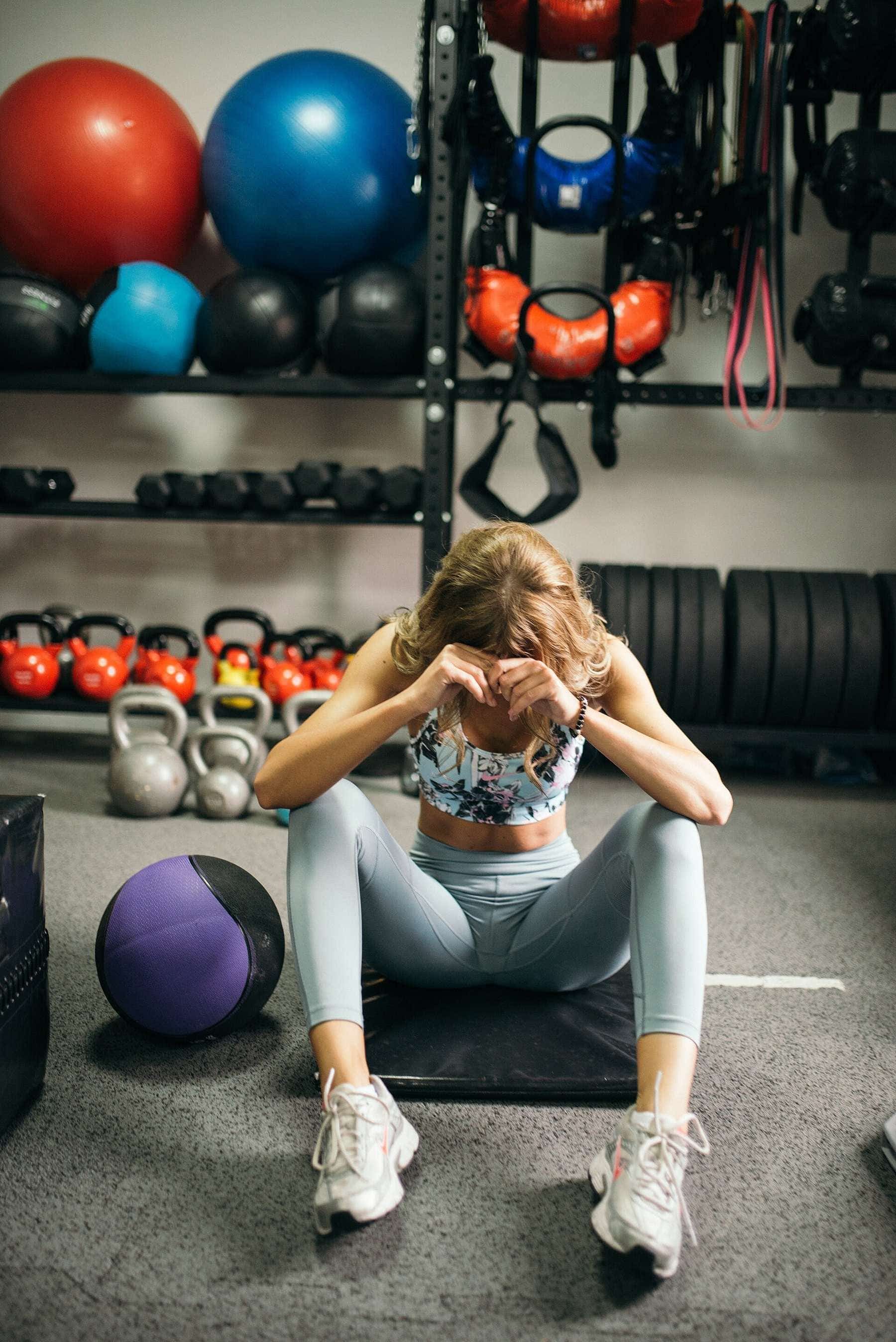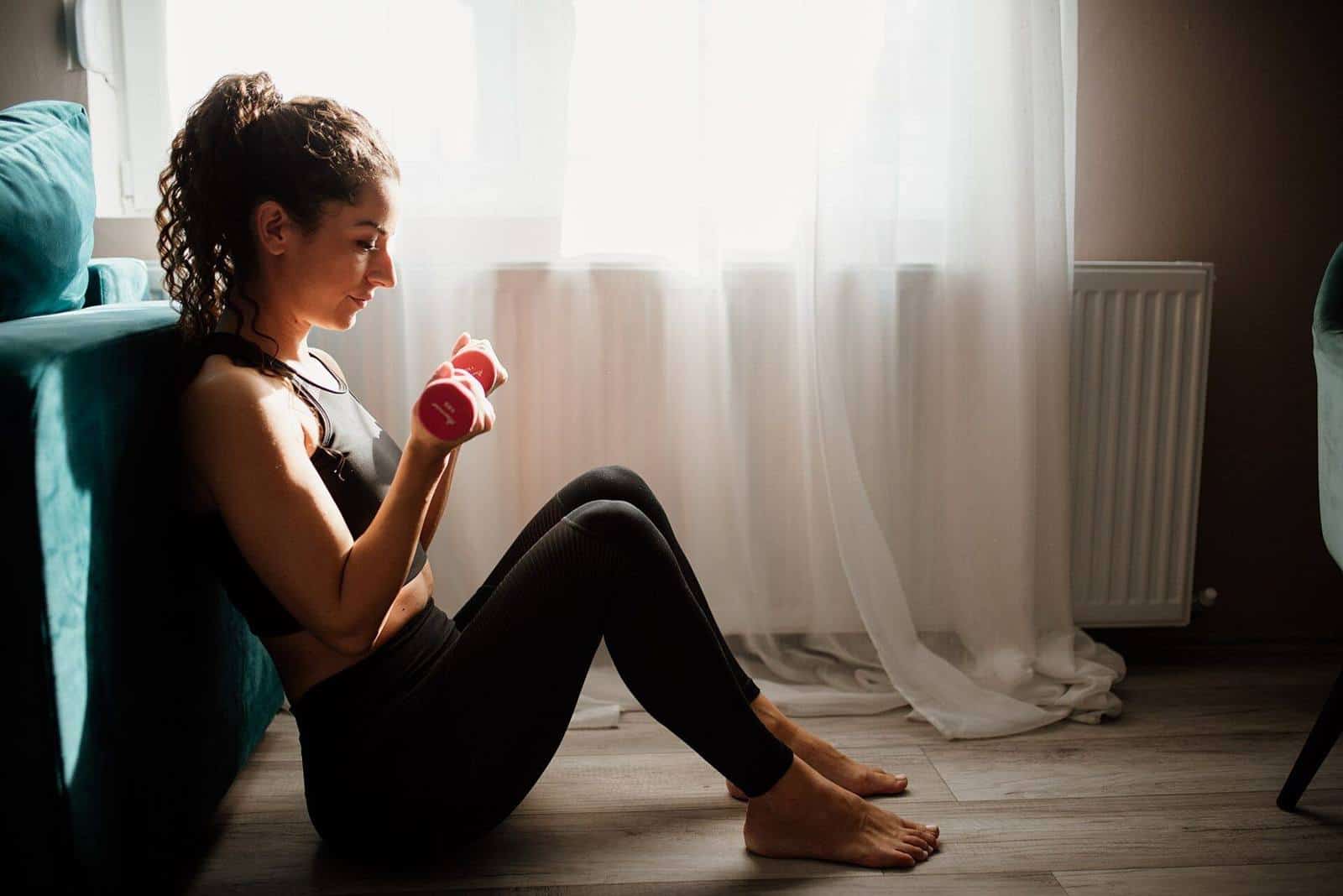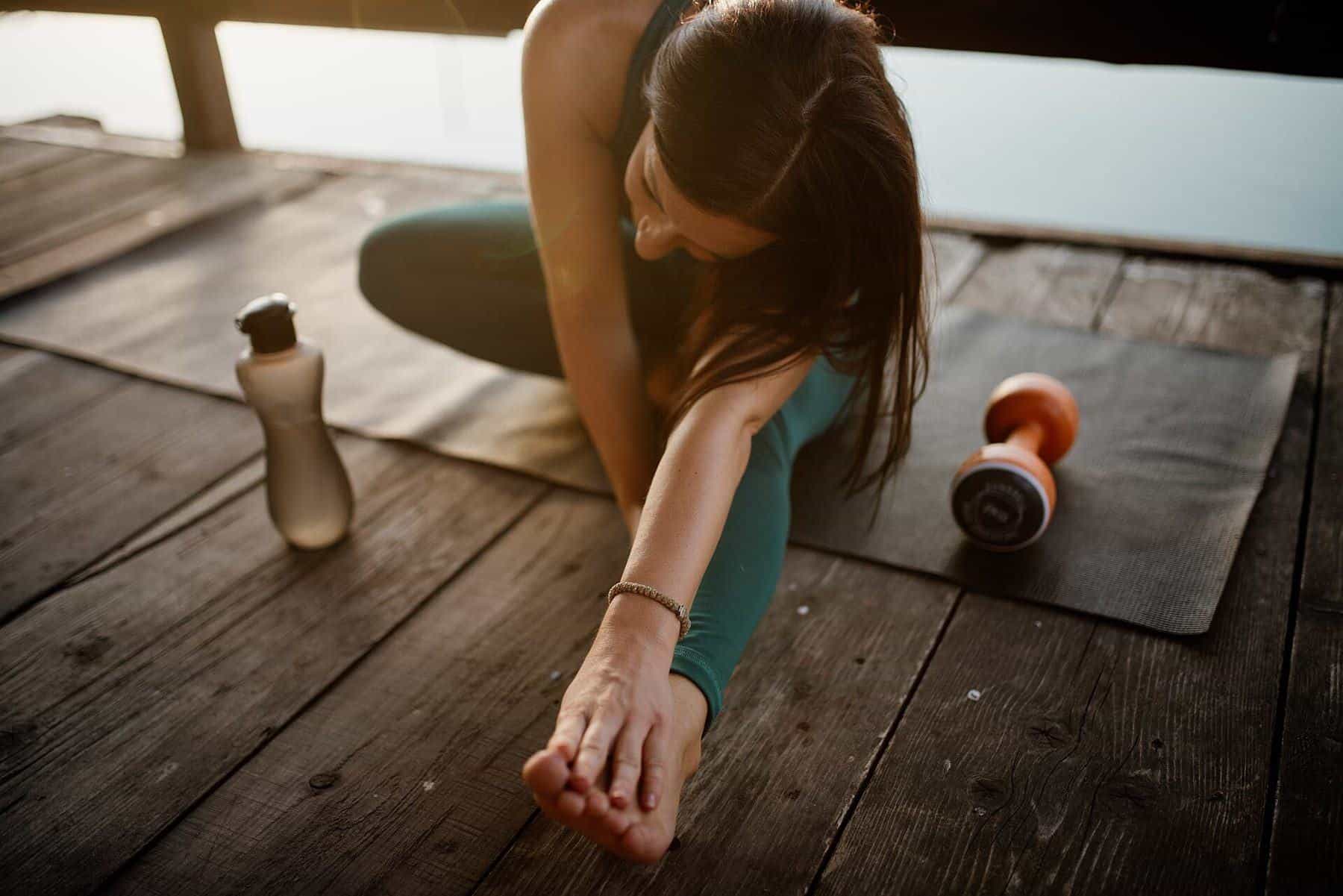
When you are excited about getting fit, rest can feel like slacking. It is not. Exercise is a stress that tells your body to adapt; recovery is when the adaptation happens. Without enough rest, progress stalls, motivation dips and the risk of injury rises. Smart recovery is part of the plan, not a break from it.
Rest days
Most people benefit from at least one or two rest or easy days each week. A rest day can be complete rest, or active recovery: gentle walking, easy cycling, swimming or stretching. Avoid hard strength work for the same muscle groups on back-to-back days; alternate upper and lower body, or leave a day between full-body sessions.
Sleep: the best recovery tool
Sleep supports recovery, energy, mood and appetite regulation. Most adults need around seven to nine hours a night. Tips for better sleep:
- Keep regular bed and wake times, even on weekends.
- Get daylight early in the day.
- Wind down without screens for a while before bed.
- Keep your bedroom cool, dark and quiet.
- Avoid caffeine later in the day and heavy meals close to bed.
- Finish vigorous exercise a few hours before bedtime if it keeps you awake.
If you regularly struggle to sleep or wake unrefreshed, talk to your GP.
Muscle soreness (DOMS)
Delayed-onset muscle soreness is the stiffness and tenderness that often appears a day or two after new or harder exercise. It is common when you start out or change your routine, and usually eases within a few days. Gentle movement can help it feel better. It becomes less of an issue as your body adapts.
Soreness is different from pain. Sharp pain during exercise, joint pain, swelling, or pain that lasts or gets worse should be checked by a doctor or physiotherapist.
Warm-up and cool-down
A warm-up of 3 to 5 minutes prepares your body for exercise. A cool-down of a few minutes of easy movement lets your breathing and heart rate settle. Many people like to finish with gentle static stretches, holding each for 20 to 30 seconds without bouncing.
Fuel and fluids
- Drink water before, during and after exercise, especially in hot weather.
- Eat regular, balanced meals with protein, wholegrains, fruit and vegetables. The Australian Dietary Guidelines are a good reference.
- Do not under-eat. Severe restriction leaves you tired and slows recovery.
If you have specific dietary needs, an Accredited Practising Dietitian can help.
Signs you need more rest
- Persistent fatigue or heavy legs.
- Workouts feeling harder than usual for no obvious reason.
- Poor sleep, irritability or low mood.
- Frequent niggles, aches or illness.
- Loss of enthusiasm.
If you notice these, take a few easy days, reduce intensity and focus on sleep. If symptoms persist, see your GP.
Recovery basics
0 of 7 done
Ticks are saved in this browser only.
Exercising when unwell
A common rule of thumb is that mild head-cold symptoms may allow gentle activity, but rest if you have a fever, body aches, chest symptoms or feel generally unwell. Return gradually. If you are unsure, ask your doctor.
Recovery for busy women
Life stress counts too. A week of poor sleep, work deadlines and sick kids is a heavy load before you add exercise. On those weeks, choose gentler sessions, shorten workouts and prioritise rest. You will come back stronger.
Active recovery ideas
| Activity | Why it helps |
|---|---|
| Easy walk | Gets you moving without adding fatigue |
| Gentle swim | Low impact, relaxing |
| Stretching or yoga | Relaxation and mobility |
| Easy bike ride | Low impact, gets the legs moving |
| Foam rolling | Many people find it eases tightness |
Planning recovery into your week
Look at your week as a whole. Put your harder sessions on days when you have more time and energy, and schedule easier days after them. A simple pattern of strength, walk, rest, strength, walk, fun activity, rest works well for many people. Adjust it when life gets busy.
The bottom line
Rest is not the opposite of training; it is half of it. Sleep well, take easy days and listen to your body.
Recovery as you get older
Many women find they need a little more recovery time as they get older, particularly around perimenopause and menopause, when sleep can be disrupted. Listen to your body, keep strength training in your week, and adjust the balance of hard and easy days as needed. If you have concerns about symptoms, sleep or energy, talk to your GP.
Frequently asked questions
Do massage guns or foam rollers help recovery?
Many people find they ease tightness and feel good. Evidence for performance benefits is limited, so treat them as optional extras rather than essentials.
Is it OK to take a whole week off?
Yes. A week of rest or lighter activity occasionally can help you recharge, and you will not lose much fitness in that time.
How many rest days a week do I need?
Most people benefit from at least one or two rest or easy days a week. Avoid hard strength training of the same muscles on consecutive days.
What is DOMS?
Delayed-onset muscle soreness is the stiffness and tenderness that often appears a day or two after new or harder exercise. It usually eases within a few days.
Should I exercise when sore?
Gentle movement such as walking can help mild soreness. Avoid hard training of very sore muscles. Sharp pain, joint pain or swelling should be checked by a health professional.
How much sleep do adults need?
Most adults need around seven to nine hours of sleep a night.
Should I exercise when I am sick?
Rest if you have a fever, feel generally unwell or have chest symptoms. Return gradually once you are better. If unsure, ask your doctor.
Does stretching prevent soreness?
Evidence suggests stretching does little to prevent soreness, but many people find gentle stretching after exercise feels good and helps them relax.
Sources and further reading
Facts on this page were checked against these primary and official sources. Conditions change — confirm before you travel or buy.
- Sleep — healthdirect Australia
- Exercise safety — Better Health Channel (Victorian Government)
- Physical activity and exercise guidelines for all Australians — Australian Government Department of Health