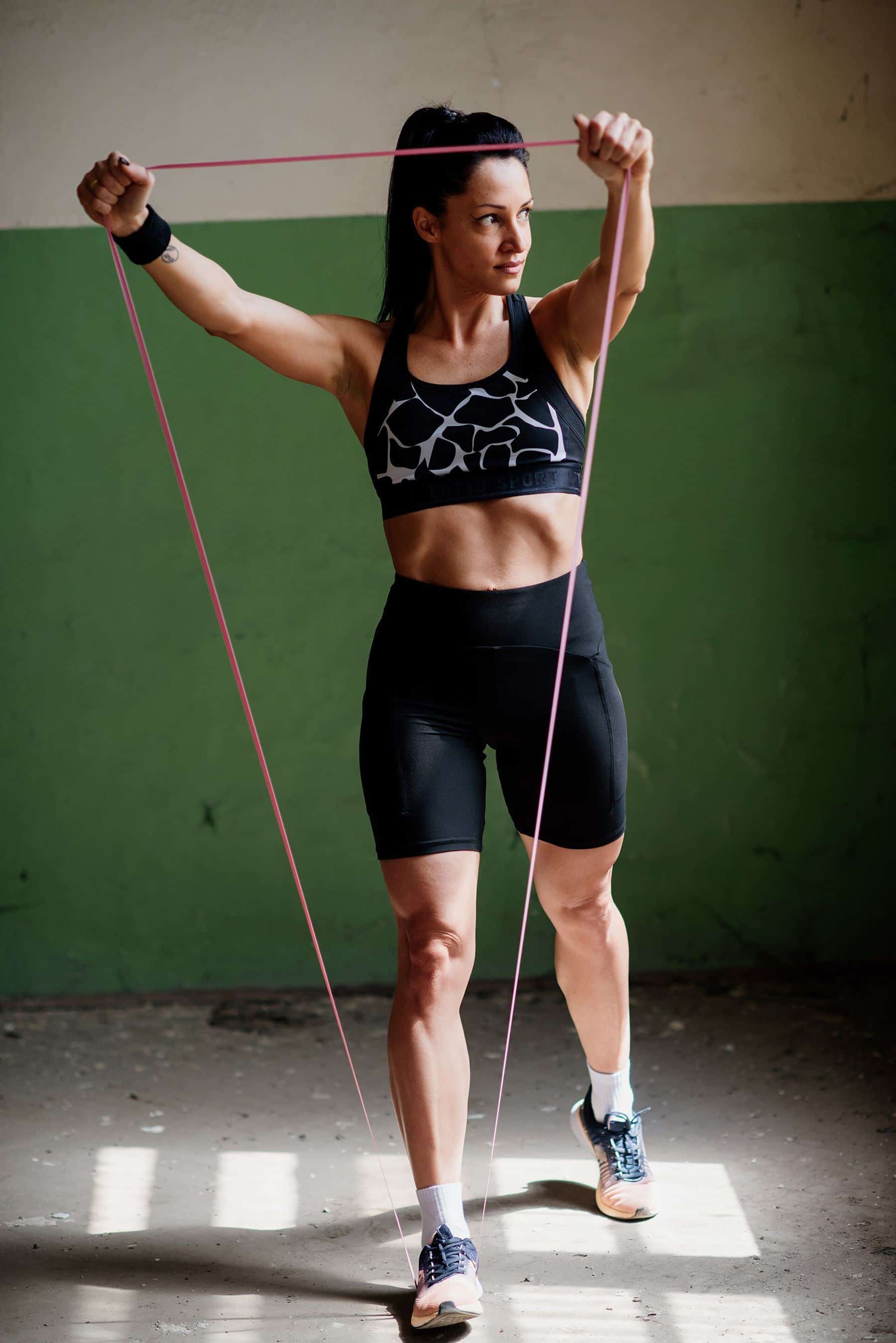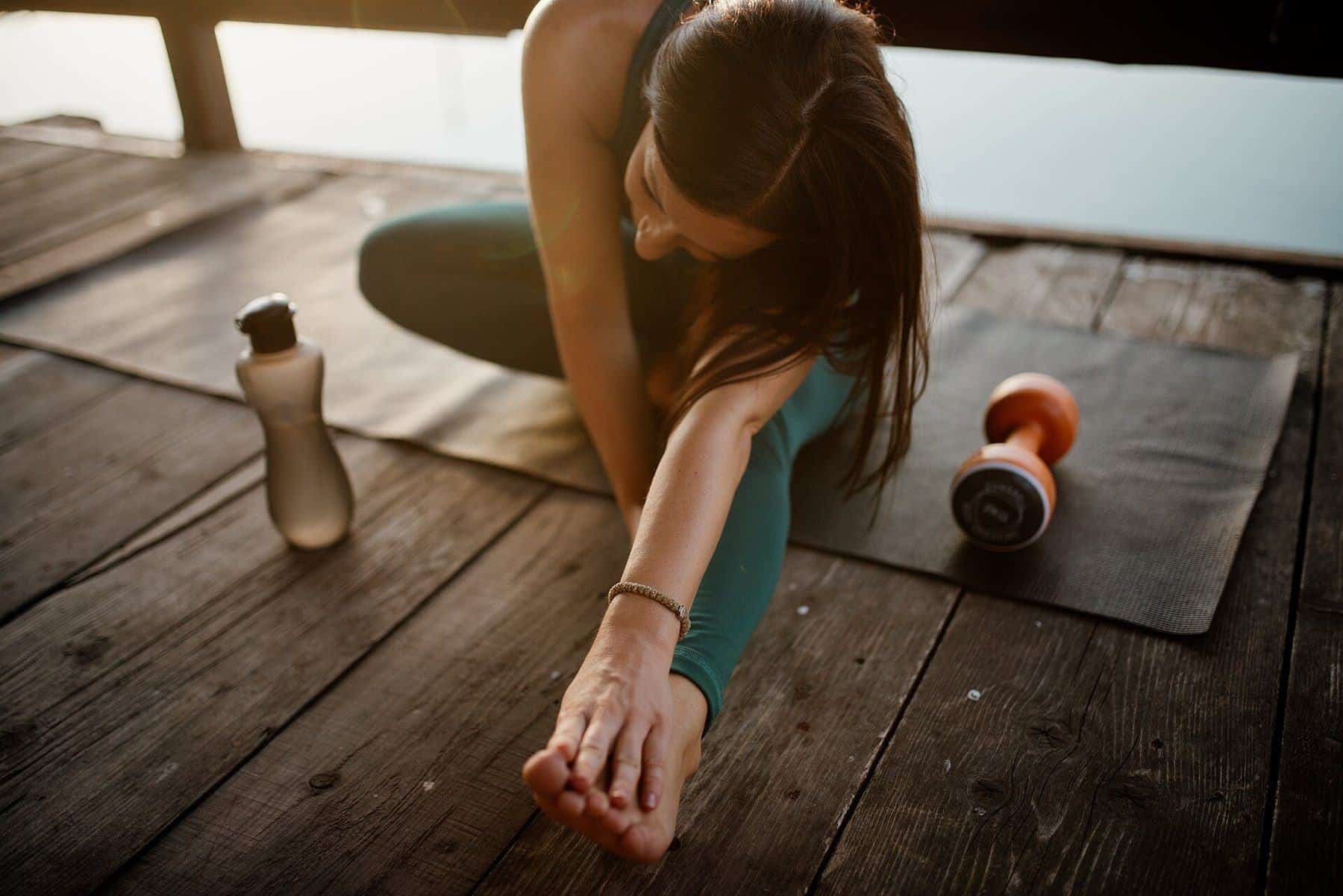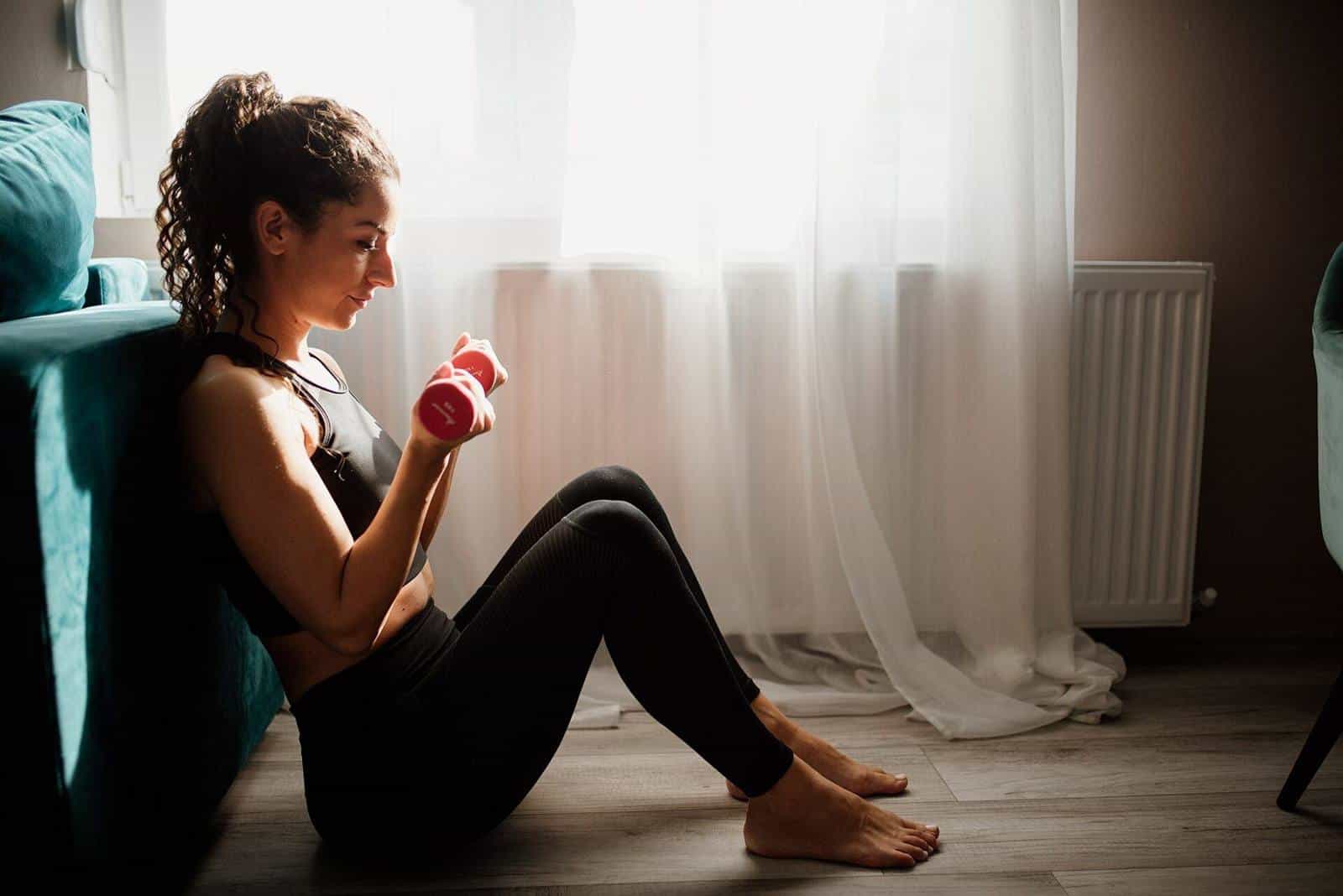
Dumbbells are small, versatile and almost indestructible. With one or two pairs you can train every major muscle group, progress for months and never leave the house. Strength training is not just for gym regulars: Australia's guidelines recommend muscle-strengthening activities for all adults on at least two days a week.
Choosing dumbbells
Fixed dumbbells are a single weight each. They are simple, durable and quick to grab. Most people start with two pairs: a light pair for shoulders and arms, and a heavier pair (or a single heavier dumbbell) for legs and back.
Adjustable dumbbells let you change the weight with plates or a dial. They save space and money over buying many pairs, but are bulkier to handle and cost more up front.
Choose weights where you can do the target repetitions with good form, and the last two or three reps feel challenging. Lower-body exercises usually need heavier weights than upper-body ones.
Set up safely
- Clear a space with room to move in every direction.
- Use a mat, but avoid soft surfaces that make you unstable.
- Wear supportive shoes.
- Keep children and pets out of the way.
- Put weights down gently and store them on the floor or a rack.
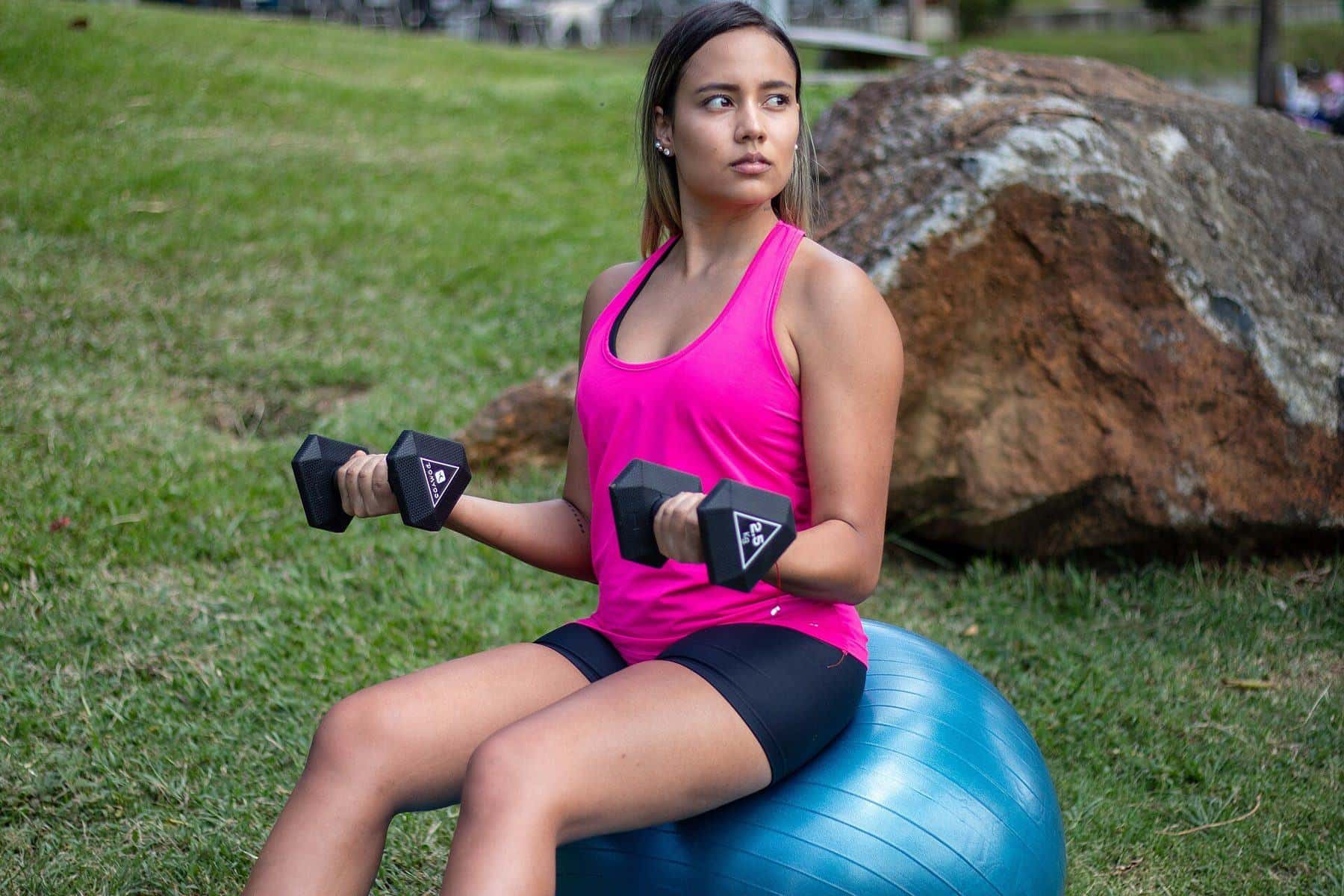
The eight key moves
- Goblet squat. Hold one dumbbell vertically at your chest. Squat down with your chest up, then stand.
- Romanian deadlift. Hold dumbbells in front of your thighs. With a slight knee bend, push your hips back and lower the weights down your legs, keeping your back flat. Return by squeezing your glutes.
- Bent-over row. Hinge forward with a flat back, or support one hand on a bench. Pull the dumbbell towards your hip, then lower.
- Floor press. Lie on your back, knees bent, elbows on the floor. Press dumbbells up over your chest, then lower until your elbows touch the floor.
- Reverse lunge. Hold dumbbells at your sides and step back into a lunge. Alternate legs.
- Shoulder press. Seated or standing, press dumbbells from shoulder height to overhead, then lower.
- Bicep curl. Curl dumbbells up with your elbows by your sides, then lower slowly.
- Farmer's carry. Hold heavy dumbbells at your sides and walk tall for 20 to 30 metres or 30 seconds.
A simple twice-weekly program
Do two different workouts on non-consecutive days:
| Workout A | Workout B |
|---|---|
| Goblet squat, 3 × 10 | Romanian deadlift, 3 × 10 |
| Floor press, 3 × 10 | Shoulder press, 3 × 10 |
| Bent-over row, 3 × 10 each side | Reverse lunge, 3 × 8 each leg |
| Bicep curl, 2 × 12 | Farmer's carry, 3 × 30 seconds |
Rest 60 to 90 seconds between sets. Warm up first with a few minutes of marching, arm circles and bodyweight squats, and cool down with stretches.
Before every dumbbell session
0 of 7 done
Ticks are saved in this browser only.
How to progress
Use "double progression": pick a rep range, say 8 to 12. When you can do 12 reps with good form on every set, move up to a slightly heavier weight and start again at 8. Progress one exercise at a time.
Strength and bone health
Healthy Bones Australia recommends weight-bearing and resistance exercise as part of keeping bones strong. If you have osteoporosis, low bone density or a history of fractures, talk to your doctor or an accredited exercise physiologist about which exercises are suitable.
Common mistakes
- Going too heavy too soon. Form first, weight second.
- Rounding your back in deadlifts and rows. Keep it long and flat.
- Rushing. Lower the weight under control.
- Skipping legs. Lower-body moves give the biggest bang for your buck.
- No plan. Write down what you did so you know when to progress.
Fitting it into your week
Two dumbbell sessions plus brisk walking on other days covers both parts of Australia's guidelines. On busy days, a single round of the circuit still counts.
Making the most of a small space
You do not need a home gym to train with dumbbells. A clear patch of floor about two metres square is enough for every exercise in this guide. Store dumbbells on a low shelf or a small rack so they are easy to grab and not a trip hazard. If you live in an apartment, use a thick mat to protect the floor and reduce noise, and lower the weights gently rather than dropping them.
Adding variety
After a couple of months, you can keep things interesting by swapping exercises for similar ones: split squats instead of lunges, single-arm presses instead of floor presses, or step-ups holding dumbbells. Keep the same basic pattern of squat, hinge, push, pull and carry, and continue to progress gradually. If you would like personalised guidance, a session or two with a qualified trainer or accredited exercise physiologist can help you refine your technique and plan.
Frequently asked questions
What weight dumbbells should a woman start with?
It depends on the exercise and your experience. Many beginners use a light pair for upper-body moves and a heavier single dumbbell for squats and deadlifts. Choose a weight where the last two or three reps of a set feel challenging with good form.
Are adjustable dumbbells worth it?
They save space and let you progress without buying many pairs, but cost more up front. Fixed dumbbells are simpler and quicker to change.
Will lifting weights make me bulky?
Building large muscles takes years of specific heavy training and eating to match. Regular dumbbell training makes you stronger and more capable.
How many sets and reps should I do?
A common starting point is two to three sets of 8 to 15 repetitions per exercise, two or three times a week.
Is strength training good for bones?
Healthy Bones Australia recommends weight-bearing and resistance exercise as part of keeping bones healthy. Ask your doctor for advice if you have osteoporosis or low bone density.
How do I lift safely at home?
Warm up, use a weight you can control, keep your back neutral, clear the floor around you and put weights down gently.
Sources and further reading
Facts on this page were checked against these primary and official sources. Conditions change — confirm before you travel or buy.
- Physical activity and exercise guidelines for all Australians — Australian Government Department of Health
- Exercise and bone health — Healthy Bones Australia
- Exercise safety — Better Health Channel (Victorian Government)